ABC for Kids: Alphabet Letters A to Z and Learning Games
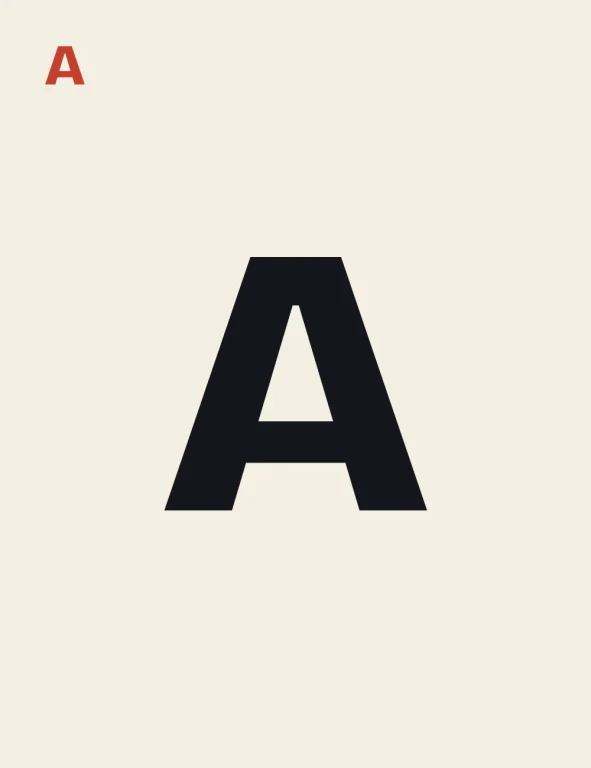
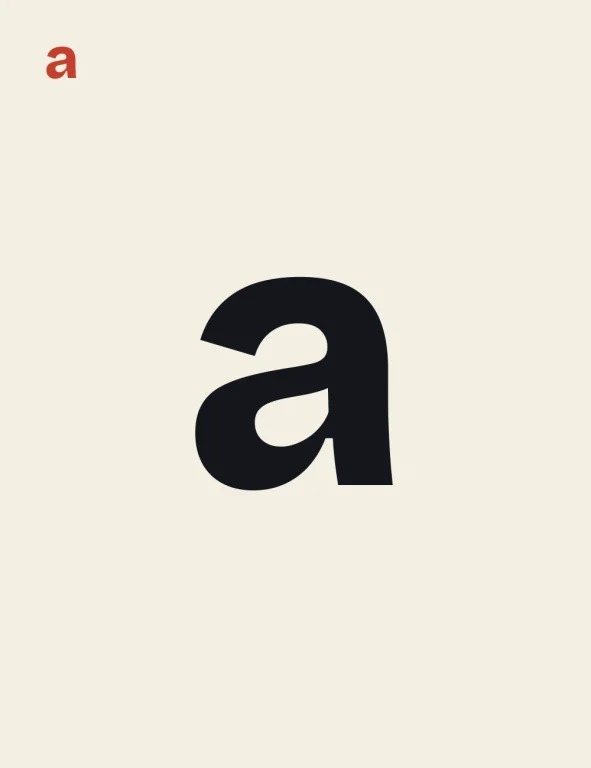
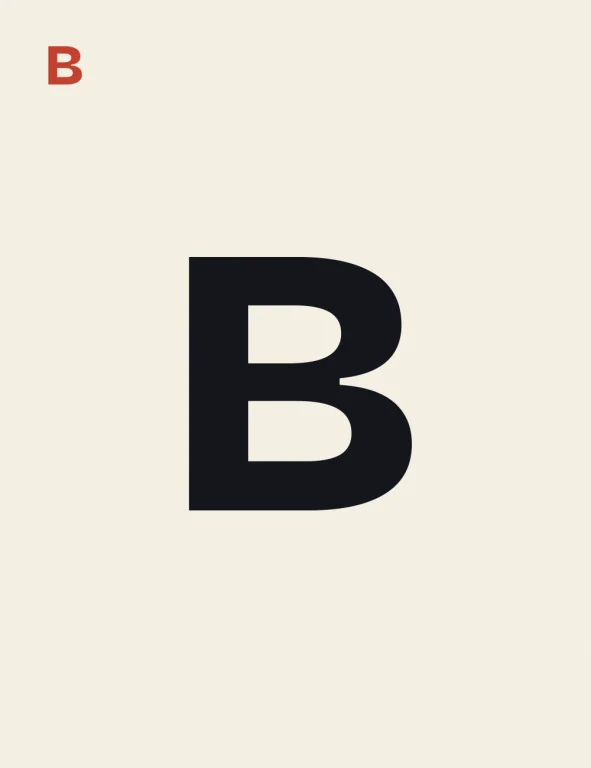
The alphabet, the ABC: 26 letters, each with a capital and a small form. Tap any letter below to hear its name, then play a round of the memory game together, matching each capital with its small letter.
Find the pairs
Turn two cards at a time and listen. Match all 3 pairs.
The alphabet: 26 letters, capital and small
Each capital sits next to its small letter, and under each is the letter's name. The voice is American, so z is zee; in the UK, Ireland, Canada, Australia and most other English-speaking countries it is zed.
How to teach the ABC at home
Start with your child's name
The letters in your child's own name are the ones they care about most, so begin there. Then add letters whose sounds are easy to hear and hold, like s, m and a. Teach each letter's name and its sound together: this is bee, and it says b, as in ball. Many phonics programmes start with s, a, t, p, i and n, because those six already make words like sat, pin and tap.
Ten minutes, most days
Short and often works better than long and rare. One round of the memory game, or a few letters before bed, is plenty for a young child. Reading a picture book together counts too. Stop while it is still fun.
Three activities
- Memory match: lay out a few pairs face down and say each letter's name and sound as it turns over.
- I spy: I spy with my little eye something beginning with b, using the letter's sound.
- Letter hunt: look for the letter of the day on cereal boxes, signs and book covers.
Letters that look alike
Children often mix up b and d, p and q, n and u, and m and w. Put the pair side by side and point out the one difference, like the bat before the ball in b. Writing a letter backwards is common in young children and usually fades with practice.
Names are not sounds
Some letter names give little hint of the sound: w is called double-u, h is aitch and y is why. Vowels have more than one sound, like the a in cat and in cake, and c can sound like k (cat) or s (city). That is why schools teach the sounds alongside the names.
If you are learning English yourself
That is fine. Tap a letter, listen to its name, and say it together; you will both pick up the names quickly. Learning alongside your child is fine, and children often enjoy being the one who knows.
What age to start
Before about age four, aim for exposure, not mastery: hearing the names and seeing the shapes in play, singing the alphabet song, spotting letters out and about. Schools start teaching letters and their sounds at four or five, in reception in England, or at five or six, in kindergarten in the US. Follow your child's interest.
Questions parents ask
How many letters are in the alphabet?
26, each with a capital and a small form, so 52 on the chart: a, e, i, o and u are vowels, y sometimes acts as one, and the rest are consonants.
Should my child learn letter names or letter sounds first?
Both are useful. Names help with the alphabet song and with spelling words aloud; sounds are what reading is built on, and phonics programmes teach them early. A simple habit: say both, this is ess, it says sss.
Capitals or small letters first?
Small letters make up almost everything your child will read, so many teachers lean on them, along with the capital at the start of your child's name. The memory game pairs each capital with its small letter, so both come along together.
Is z zee or zed?
Both are correct. Zee is American; zed is used in the UK, Ireland, Canada, Australia, New Zealand and most other English-speaking countries. Use the one your child will hear at school.
My child writes letters backwards. Should I worry?
Usually not. Mirror writing, like a d for a b, is common in young children and usually fades with practice. If it carries on well into the school years, mention it to the teacher.
 Memobara
Get your kids started with the ABC
- All 26 letters, capital and small, each name said aloud
- Memory games with sound, to play together
- No ads, made for families
- Free to play in your browser
 Spanish alphabet
 French alphabet
 German alphabet
 Braille alphabet