French Alphabet for Kids: Letters, Accents and Learning Games
The French alphabet, l'alphabet, has the same letters as English, and some of them can carry an accent: é, è, ç and the rest change how a letter sounds. Tap any letter below to hear its French name, then play a round of the memory game together.
Find the pairs
Turn two cards at a time and listen. Match all 3 pairs.
L'alphabet: 26 letters, capital and small
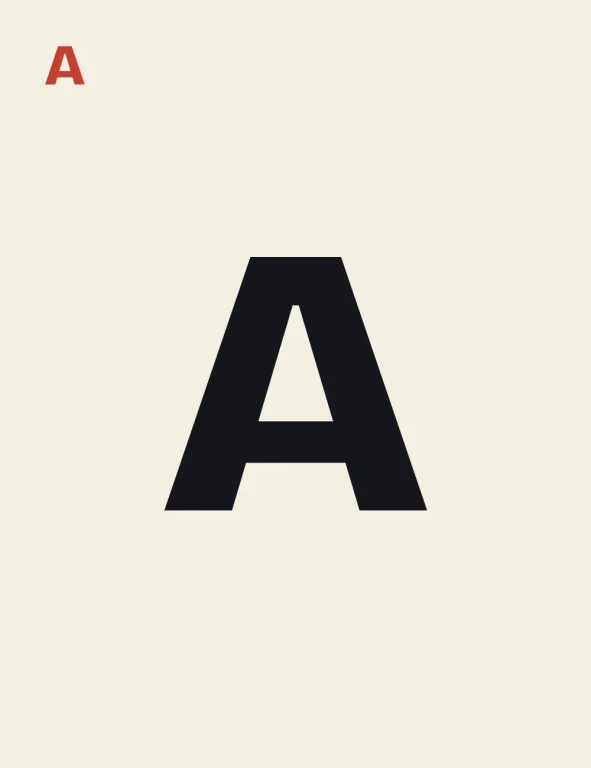
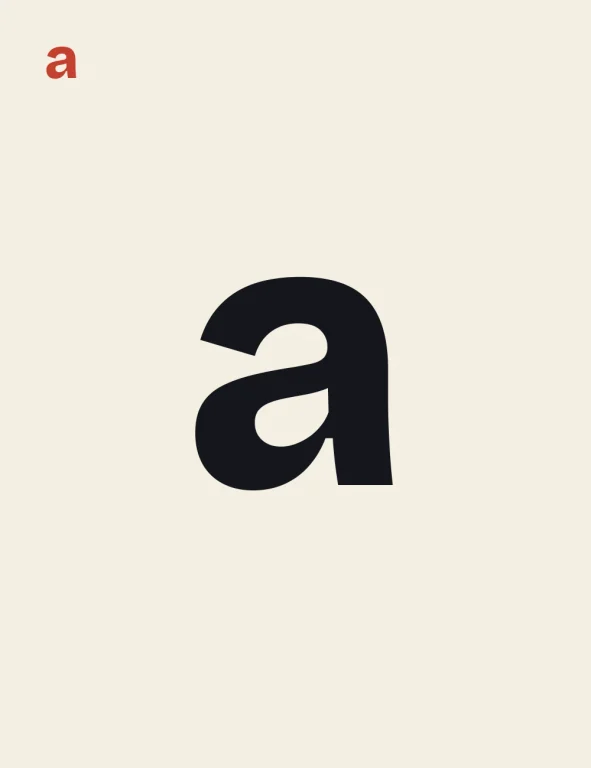
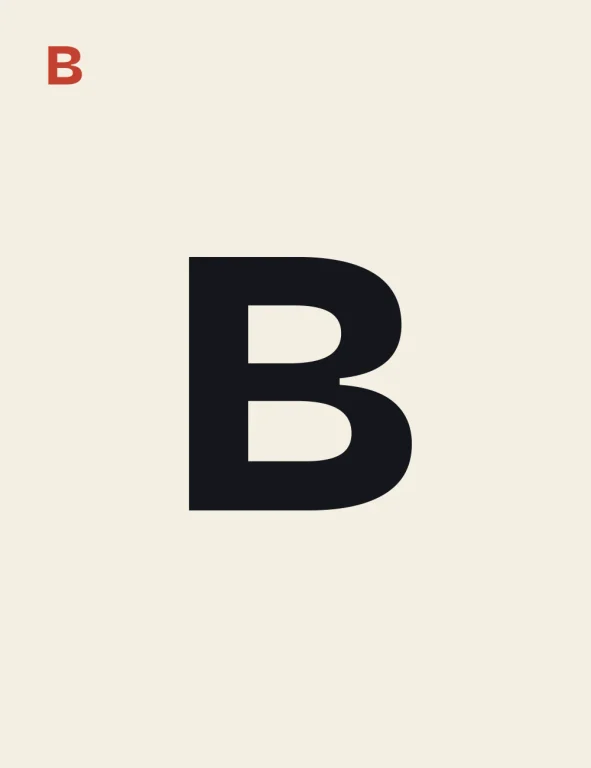
Each capital sits next to its small letter, and under each letter is its French name. Watch g and j: g is gé and j is ji, close to the reverse of their English names. w is double vé and y is i grec (Greek i).
Les accents: 15 letters with marks
Each small letter sits next to its capital. The accent aigu is only ever on e (é); the accent grave is on è, à and ù; the circonflexe ^ can sit on a, e, i, o or u; and the tréma ¨ tells you to say a vowel on its own, as in Noël. ç, c cédille, makes c say s before a, o or u: garçon (boy). œ, e dans l'o, is in everyday words like cœur (heart) and sœur (sister); æ, e dans l'a, is rare.
How to teach the French alphabet at home
Start with the vowels
Begin with the vowels the way French classrooms list them: a, e, i, o, u and y. Then put a consonant in front, l and a make la, and sing through li, lo, lu: most French reading books start from these syllables. The letters of your child's name are a good first set too.
Ten minutes, most days
Short and often works better than long and rare. One round of the memory game, or a few letters before bed, is plenty for a young child. Stop while it is still fun.
Three activities
- Memory match: lay out a few pairs face down and say each letter's French name as it turns over.
- Syllable song: sing ma, me, mi, mo, mu, then the same with another consonant.
- First letters: find a toy or picture that starts with the letter of the day, like b for ballon (ball), l for lapin (rabbit) or p for poisson (fish).
The tricky ones
Many letters at the end of a word are silent: the t in chat (cat), the s in souris (mouse). h is always silent (hibou, owl). Many sounds take two or three letters: ou (loup, wolf), on (bonbon), an (maman), eau (bateau, boat) and ch (chat). Children often mix up b, d, p and q; that is common at this age and passes with practice.
If you don't speak French yourself
You don't need to. The letters are ones you already read: tap one, listen to its French name, and say it together. The names are worth learning, because French-speaking teachers spell words aloud with them. Learning alongside your child is fine, and children often enjoy being the one who knows.
What age to start
Before about age four, aim for exposure, not mastery: hearing the sounds and seeing the shapes in play. In France, children start école maternelle at three and play with letters and sounds there, especially in the last year, grande section, at five; reading itself is taught in CP, the first year of primary school, at six. Follow your child's interest.
Questions parents ask
How many letters are in the French alphabet?
26, the same as English. Accented letters like é and ç are not counted as extra letters: they are the same letters with a mark that changes the sound, and dictionaries sort them with the plain letter.
Do the accents really matter?
Yes. They change how a letter sounds, and sometimes what a word means: ou means or, où means where; a means has, à means to or at. Children learn them in their first years of school, along with the letters.
Why are so many French letters silent?
French spelling keeps letters that are no longer said, often at the end of a word. Many come back to life in a related word: the silent t of petit is heard in petite. Reading lots of words aloud together is how children get used to it.
Is the French alphabet the same in Quebec, Belgium and Switzerland?
Yes: the same letters, accents and names everywhere French is written. The voice here speaks the French of France; accents of speech differ from place to place, and all are correct.
Will learning French letters confuse my child's English reading?
Learning to read in another language generally supports, rather than confuses, learning to read in English, according to research summarised by the American Federation of Teachers. Children in bilingual homes and French immersion classes learn to keep the names and sounds apart.
 Memobara
Get your kids started with the French alphabet
- All 26 letters and the accents, each said aloud in French
- Memory games with sound, to play together
- No ads, made for families
- Free to play in your browser
 English alphabet
 Spanish alphabet
 Italian alphabet
 German alphabet