Italian Alphabet for Kids: Letters, Sounds and Learning Games
The Italian alphabet, l'alfabeto, has 21 letters: the English alphabet without j, k, w, x and y. Those five turn up only in words from other languages, so they have a chart of their own below. Tap any letter to hear its Italian name, then play a round of the memory game together.
Find the pairs
Turn two cards at a time and listen. Match all 3 pairs.
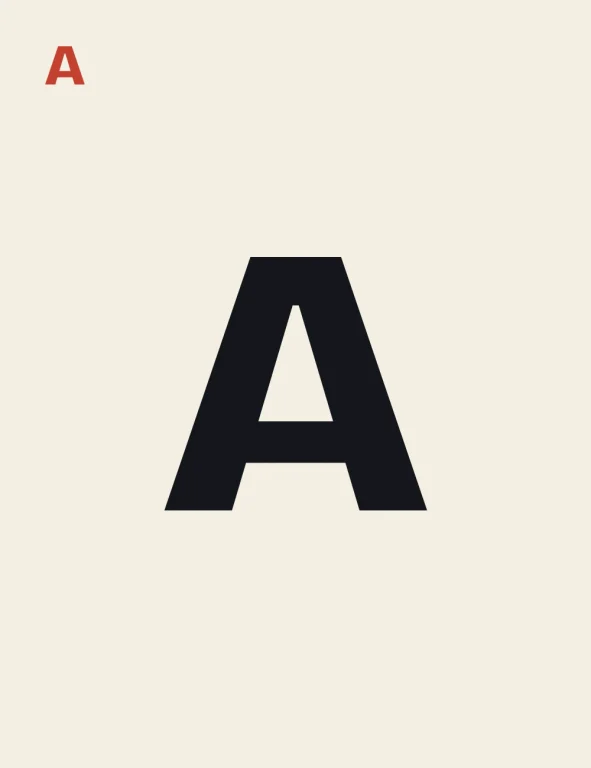
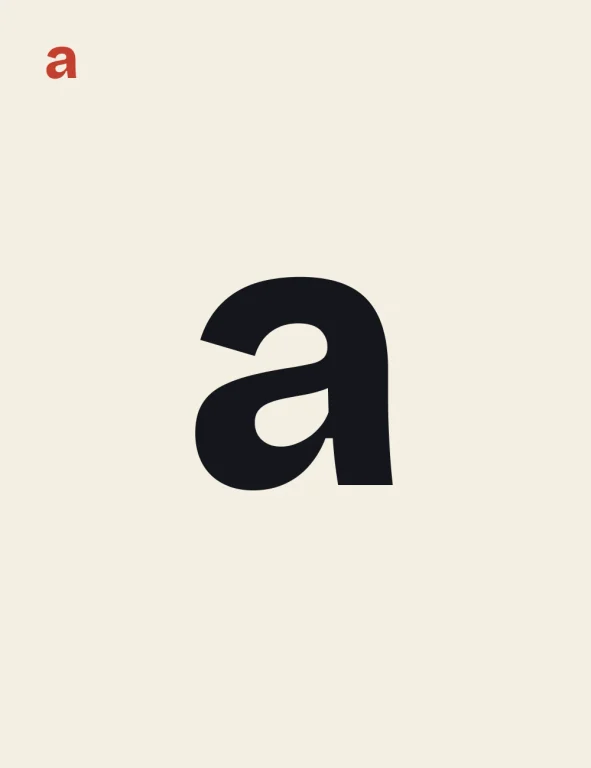
L'alfabeto: 21 letters, capital and small
Each capital sits next to its small letter, and under each letter is its Italian name: h is acca, q is cu and z is zeta. In some regions v is called vi rather than vu; both are correct.
Le lettere straniere: the 5 foreign letters
j is i lunga (long i), k is cappa, w is doppia vu, x is ics and y is ipsilon, also called i greca. Italian meets them in borrowed words like jeans, koala, kiwi, taxi and yogurt.
How to teach the Italian alphabet at home
Start with the vowels
Begin with a, e, i, o, u, then put a consonant in front: ma, me, mi, mo, mu. Italian is written very nearly as it is said, so once syllables click, your child can sound out most words: mamma, papà, mela (apple). Many Italian first-grade classes start with capital print letters, so big letters are a fine place to begin.
Ten minutes, most days
Short and often works better than long and rare. One round of the memory game, or a few letters before bed, is plenty for a young child. Stop while it is still fun.
Three activities
- Memory match: lay out a few pairs face down and say each letter's Italian name as it turns over.
- Syllable chain: say a syllable and take turns adding one: pa, pa-ne, then pa-ni-no.
- First letters: find a toy or picture that starts with the letter of the day, like g for gatto (cat), o for orso (bear) or p for pesce (fish).
The tricky ones
c and g are hard before a, o and u (casa, gatto) and soft before e and i (ciao, gelato); an h keeps them hard: che, chi, ghiro. gn sounds like ny (gnomo), gli like the lli in million (famiglia), and sc before e or i like sh (pesce). h is always silent. Double letters are said longer, and they change words: pala is a shovel, palla is a ball.
If you don't speak Italian yourself
You don't need to. The letters are ones you already read: tap one, listen to its Italian name, and say it together. Learning alongside your child is fine, and children often enjoy being the one who knows.
What age to start
Before about age four, aim for exposure, not mastery: hearing the sounds and seeing the shapes in play. In Italy, scuola dell'infanzia, from three, plays with sounds, rhymes and the letters of a child's name; reading and writing are taught in the first year of scuola primaria, at six. Follow your child's interest.
Questions parents ask
How many letters are in the Italian alphabet?
21. The 5 foreign letters, j, k, w, x and y, are used only in words and names from other languages, so Italian charts usually show them at the end or in a list of their own.
Why have an h if it is never said?
It changes the letters around it: chi is read ki, while ci is read chee. It also tells apart little words that sound the same, like ho (I have) and o (or).
Should my child learn capitals or small letters first?
Many Italian first-grade classes start with capital print letters (stampato maiuscolo), then add small print and joined-up handwriting (corsivo). At home, play with both: the memory game pairs each capital with its small letter.
Will learning Italian letters confuse my child's English reading?
Learning to read in a home language generally supports, rather than confuses, learning to read in another, according to research summarised by the American Federation of Teachers. The letters are shared, so mostly it is the names and a few sounds that differ.
 Memobara
Get your kids started with the Italian alphabet
- All 21 letters and the foreign five, each said aloud in Italian
- Memory games with sound, to play together
- No ads, made for families
- Free to play in your browser
 Spanish alphabet
 French alphabet
 Portuguese alphabet
 English alphabet