Morse Code for Kids: Dots, Dashes, SOS and Learning Games
Morse code turns every letter into short and long signals, dots and dashes, that you can tap, flash or beep. It makes a great secret code, and radio amateurs around the world still use it. Tap any letter below to hear its name, then play a round of the memory game together.
Find the pairs
Turn two cards at a time and listen. Match all 3 pairs.
The Morse code alphabet: 26 letters
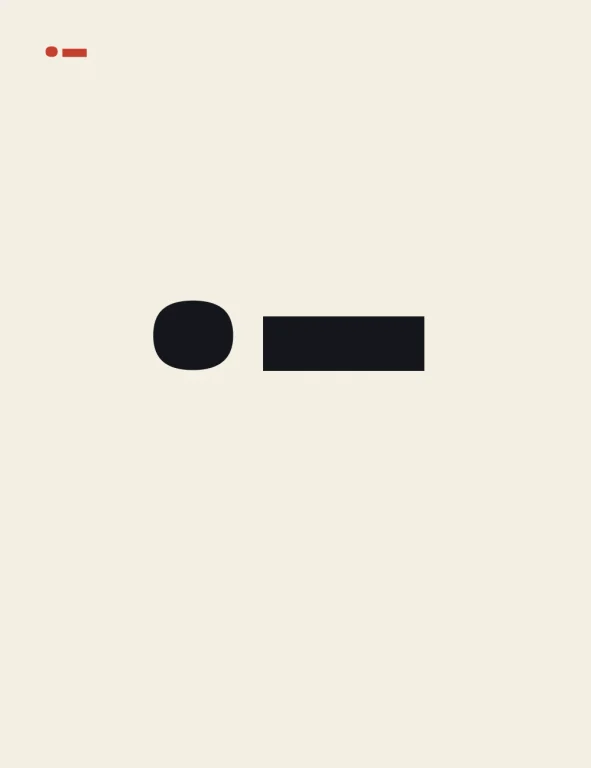
A dot is a short signal and a dash a long one, three times as long. Say them out loud as dit and dah: A is dit-dah, N is dah-dit. E and T, two of the most common letters in English, have the shortest codes of all: one dit and one dah.
How to teach Morse code at home
Start with SOS
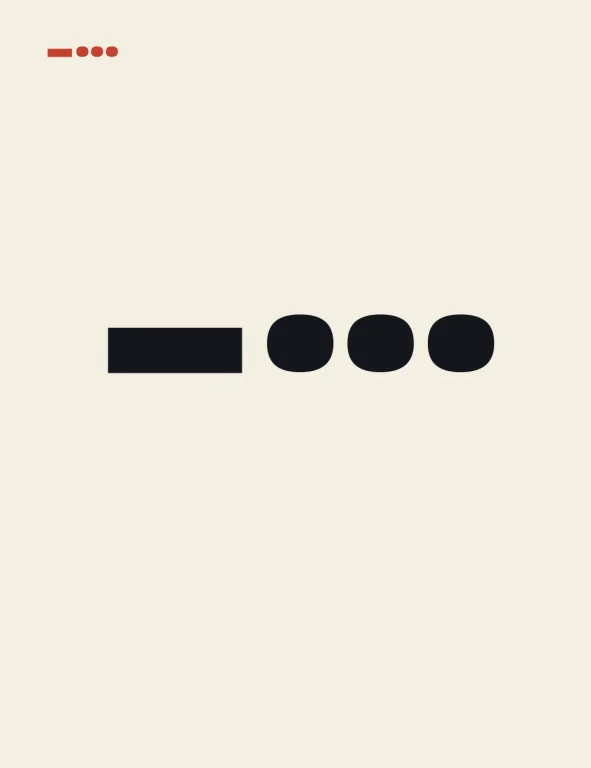
Begin with E (dit) and T (dah), then S (dit dit dit) and O (dah dah dah). Now your child can send SOS, the most famous signal there is. Add a few letters a week from there.
Listen, don't count
Morse teachers advise learning each letter as a rhythm rather than counting dots and dashes. Say dit and dah out loud, or tap them on the table, so that A becomes a sound, dit-dah, not a picture to work out.
Ten minutes, most days
Short and often works better than long and rare. One round of the memory game, or one coded word before bed, is plenty. Stop while it is still fun.
Three activities
- Flashlight messages: at dusk, send a letter with short and long flashes and guess each other's.
- Knock codes: tap a letter on the table or a wall and take turns guessing it.
- Secret notes: write your names, or a short message, in dots and dashes and leave it for each other to decode.
Letters that are each other backwards
Some letters are another letter reversed: A and N, B and V, D and U, F and L, G and W, Q and Y. Children mix them up at first; ask whether it starts with a dit or a dah.
Keep the gaps
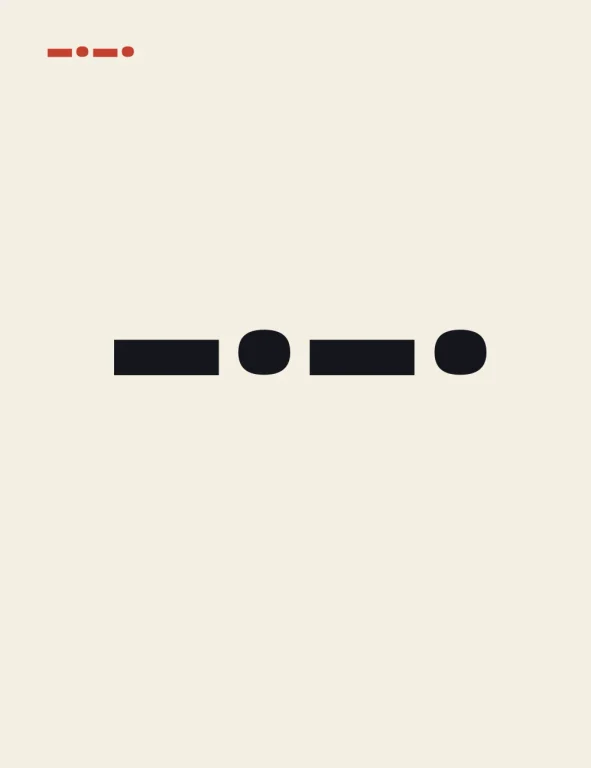
The spaces matter as much as the signals. Leave a short pause between the dits and dahs of one letter, a longer one (three dits) between letters, and a longer one again (seven dits) between words. Without them, A (·−) and then T (−) would run together into W (·−−).
If you don't know Morse yourself
You don't need to. Keep the chart open, take turns sending and decoding, and let your child catch you out. Learning alongside your child is fine, and children often enjoy being the one who knows.
What age to start
Morse code works best once your child knows most of the alphabet, often around six or seven, because each code stands for a letter. Younger children enjoy flashing and tapping SOS: aim for play, not mastery.
Questions parents ask
What does SOS mean?
Nothing: it was chosen as a distress signal because it is easy to send and to recognise, dit dit dit dah dah dah dit dit dit, sent as one signal without the usual gaps between letters. Save Our Souls is a later phrase made to fit.
Who invented Morse code?
Samuel Morse and Alfred Vail worked out the first version in the United States in the nineteenth century, for the electric telegraph. The code on this page is International Morse code, a later version standardised for radio, which differs in some letters from their original American code.
Is Morse code still used?
Yes. Radio amateurs around the world send it every day, and some radio beacons used by aircraft still identify themselves in Morse. Ships now call for help by satellite and radio instead.
What's the best way for a child to learn it?
By sound and rhythm, a few letters at a time: say dit and dah, tap them, flash them. The chart and the memory game help connect each code to its letter.
 Memobara
Get your kids started with Morse code
- All 26 letters, each with its name said aloud
- Memory games with sound, to play together
- No ads, made for families
- Free to play in your browser
 NATO alphabet
 Braille alphabet
 English alphabet