Icelandic Alphabet for Kids: Letters, Sounds and Learning Games
The Icelandic alphabet, stafrófið, keeps some letters English lost long ago, like ð and þ, and gives each accented vowel a place of its own. Tap any letter below to hear its Icelandic name, then play a round of the memory game together.
Find the pairs
Turn two cards at a time and listen. Match all 3 pairs.
Stafrófið: 32 letters, capital and small
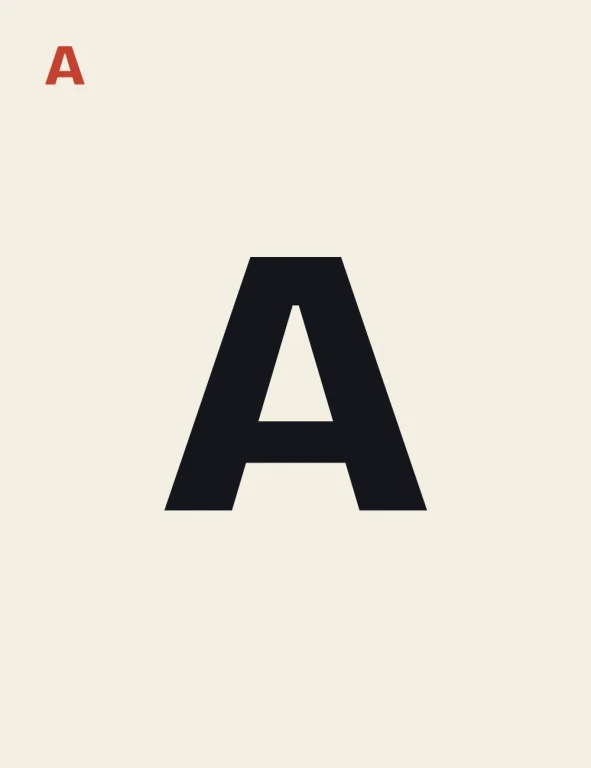
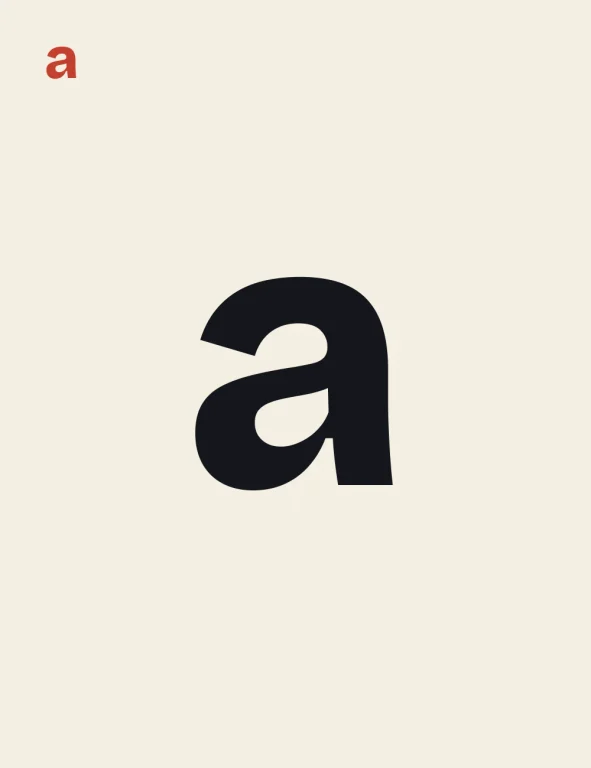
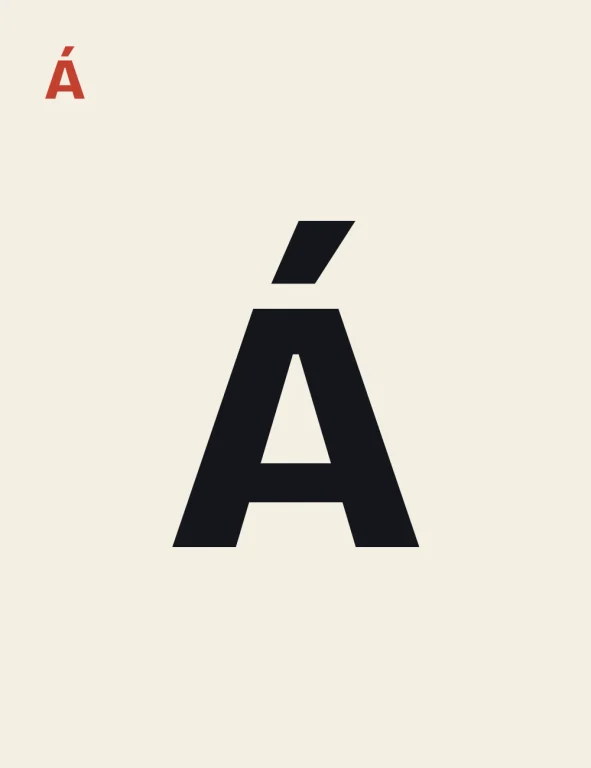
Each capital sits next to its small letter, and under each letter is its Icelandic name. Á comes right after A, é after E and so on, and þ, æ and ö close the alphabet. C, Q, W and Z are not part of it (z was dropped from Icelandic spelling in the 1970s); today they appear only in foreign names and words.
How to teach the Icelandic alphabet at home
Start with sounds and names
Begin with the letters in your child's name, then easy sounds like a, í, ó, s, m and l, and build little words such as mamma, sól (sun) and ís (ice cream). Teach each letter's sound along with its name. Add a few letters a week; there is no prize for speed.
Ten minutes, most days
Short and often works better than long and rare. One round of the memory game, or a few letters before bed, is plenty for a young child. Reading a picture book together counts too. Stop while it is still fun.
Three activities
- Memory match: lay out a few pairs face down and say each letter's Icelandic name as it turns over.
- Accent pairs: put a and á, o and ó side by side and listen to how different they sound.
- First letters: find a toy or picture that starts with the letter of the day, like h for hestur (horse), k for köttur (cat) or f for fiskur (fish).
The tricky ones
Ð (eð) and Þ (þorn) both say th: þ like the th in thin, at the start of words like þú (you), and ð like the th in this, inside and at the end of words like góður (good); no word starts with ð. Small þ is easy to mix up with p and b, and capital Ð with D. The accent changes the sound, not just the look: a and á are different letters. I and y sound the same, as do í and ý; which one a word uses is learned word by word.
If you don't speak Icelandic yourself
You don't need to. Tap a letter, listen to its Icelandic name, and say it together; most of the letters are ones you already read. Learning alongside your child is fine, and children often enjoy being the one who knows.
What age to start
Before about age four, aim for exposure, not mastery: hearing the sounds and seeing the shapes in play. In Iceland, children start school the year they turn six and learn to read in the first years of school; many know some letters from leikskóli before that. Follow your child's interest.
Questions parents ask
How many letters are in the Icelandic alphabet?
32, from A to Ö. The accented vowels á, é, í, ó, ú and ý, and the letters ð, þ, æ and ö, are all letters of their own, while c, q, w and z are not counted.
What are ð and þ?
Two old letters for the th sounds. English used both too, long ago, before it changed to th. Þ is called þorn and ð is called eð, and both are part of everyday Icelandic spelling.
Is á just an a with an accent?
No: á is a letter of its own, with a different sound, close to the ow in cow, and its own place in the alphabet right after a. The same goes for é, í, ó, ú and ý.
Will learning the Icelandic alphabet confuse my child's English reading?
Learning to read in a home language generally supports, rather than confuses, learning to read in a second one, according to research summarised by the American Federation of Teachers. Most letters are shared, so mostly it is the names and some sounds that differ, and children in bilingual homes learn to keep them apart.
 Memobara
Get your kids started with the Icelandic alphabet
- All 32 letters, capital and small, each said aloud in Icelandic
- Memory games with sound, to play together
- No ads, made for families
- Free to play in your browser
 Faroese alphabet
 Norwegian alphabet
 Danish alphabet
 English alphabet