Runes for Kids: Elder Futhark Alphabet and Learning Games
Runes are the old alphabet of the Germanic peoples of northern Europe, carved into stone, wood, metal and bone. The oldest set, the Elder Futhark, has 24 runes and is named after its first six: f, u, th, a, r, k. Tap any rune below to hear its name, then play a round of the memory game together.
Find the pairs
Turn two cards at a time and listen. Match all 3 pairs.
The 24 runes of the Elder Futhark
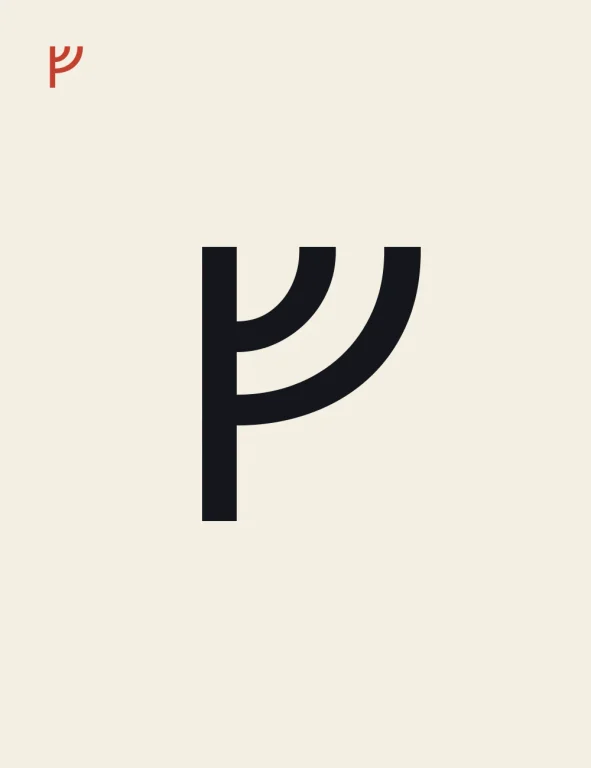
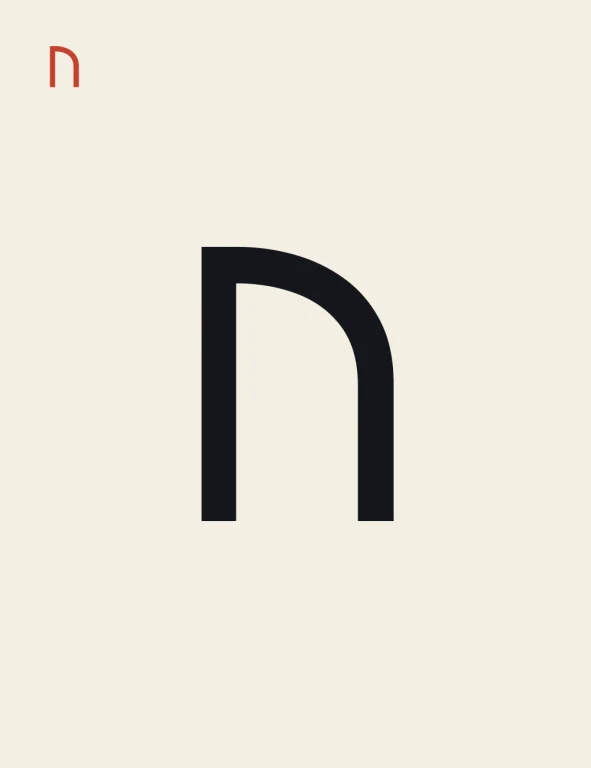
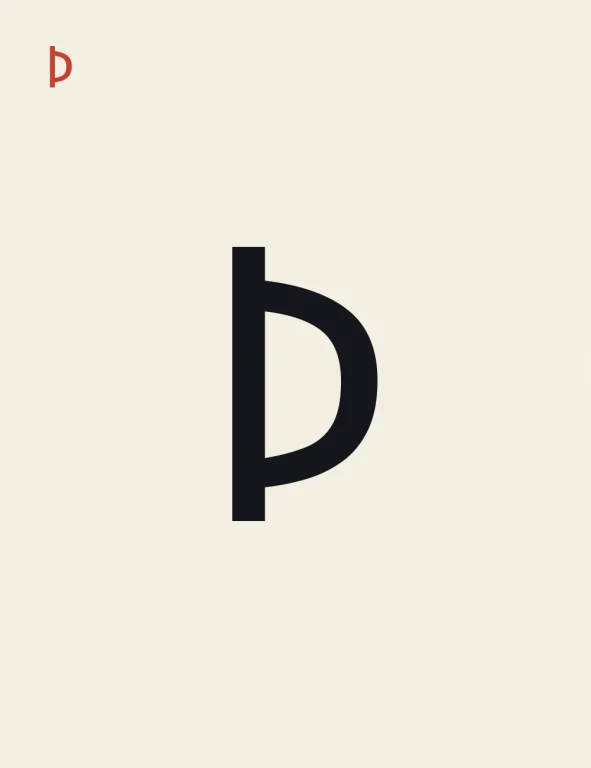
Under each rune is its sound, then its name. The runes come in three rows of eight, called ættir (families), and the row starts with ᚠ f, not with a. The names are what scholars think the runes were called; the earliest carvers left no list of names, so books sometimes spell them differently.
How to teach runes at home
Start with your child's name
Find the runes for the sounds in your child's name and carve or draw them together. Runes write sounds, not English spellings: Sam is ᛊᚨᛗ, s a m, and Beth is ᛒᛖᚦ, b e th, with one rune for th. Add the first row, f u th a r k, once the name feels familiar.
Ten minutes, most days
Short and often works better than long and rare. One round of the memory game, or one word written in runes, is plenty. Stop while it is still fun.
Three activities
- Memory match: lay out a few pairs face down and say each rune's sound as it turns over.
- Rune stones: paint runes on pebbles or carve them into clay or a bar of soap, the way they were cut into stone and wood.
- Secret messages: write a short note in runes and leave it for each other to decode.
Sounds without a rune
There is no rune for c, q, v, x or y: use ᚲ (k) for a hard c and q, ᛊ (s) for a soft c, ᚠ (f) or ᚹ (w) for v, ᚲᛊ (ks) for x, and ᛁ (i) or ᛃ (j) for y: ᛃ is said like the y in yes. Some runes stand for two English letters: ᚦ is th and ᛜ is ng. Runes are made of straight lines with no curves, which suits carving into wood.
If you don't know runes yourself
You don't need to. Keep the chart open, tap a rune to hear its name, and take turns writing and decoding. Learning alongside your child is fine, and children often enjoy being the one who knows.
What age to start
Runes work best once your child knows most of the English alphabet and can hear the sounds in a word, often from about six or seven. Younger children enjoy copying the shapes and finding the runes of their name: aim for play, not mastery.
Questions parents ask
How many runes are there?
The Elder Futhark has 24. Later rune rows changed the set: the Younger Futhark of the Viking Age had sixteen, and the Anglo-Saxon runes of England grew to about thirty.
When were runes used?
The Elder Futhark was carved from about the second century to the eighth, mostly in what is now Scandinavia, Germany and the lands around them. Runes were an everyday alphabet: people carved names, gifts and messages, and later, in the Viking Age, memorial stones.
Are runes the same as Viking runes?
Not quite. The Vikings used the Younger Futhark, a shorter row of sixteen runes that grew out of these. Many runes look the same, but some changed shape and sound.
Which way are runes written?
Either way: early carvers wrote left to right, right to left, or back and forth like a ploughed field, turning the runes to face the way they went. For your own messages, left to right is fine.
 Memobara
Get your kids started with runes
- All 24 runes, each with its name said aloud
- Memory games with sound, to play together
- No ads, made for families
- Free to play in your browser
 Egyptian hieroglyphs
 Greek alphabet
 Morse code
 Myths