Hieroglyphics for Kids: Egyptian Sound Signs and Learning Games
Egyptian hieroglyphs were written for more than three thousand years with hundreds of different signs. This page teaches a small, special set of them: the 25 signs that each stand for one sound, like the owl for m. They are the easiest way in, and enough to write your name. Tap any sign below to hear its sound and its picture, then play a round of the memory game together.
Find the pairs
Turn two cards at a time and listen. Match all 3 pairs.
The 25 one-sound signs
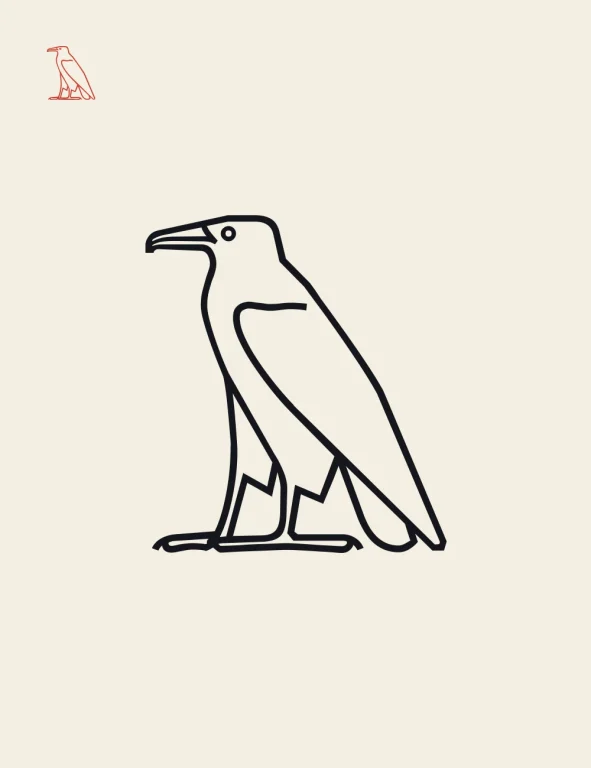
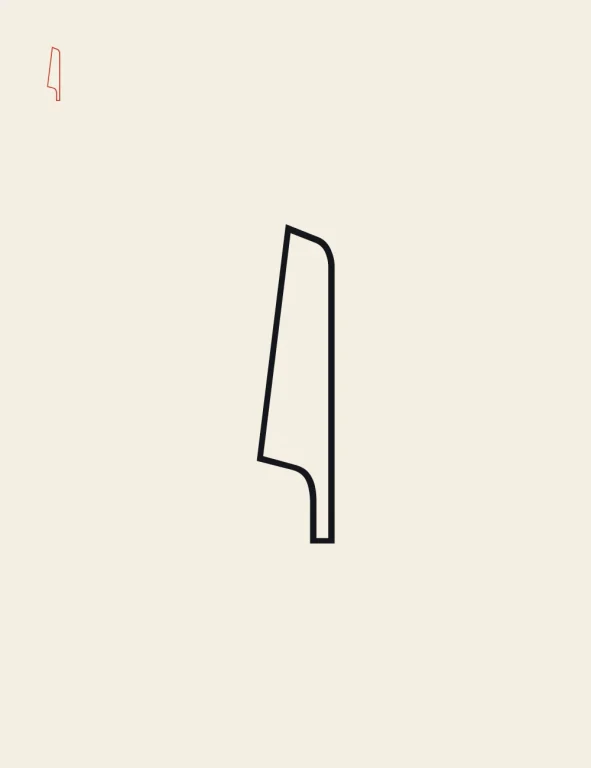
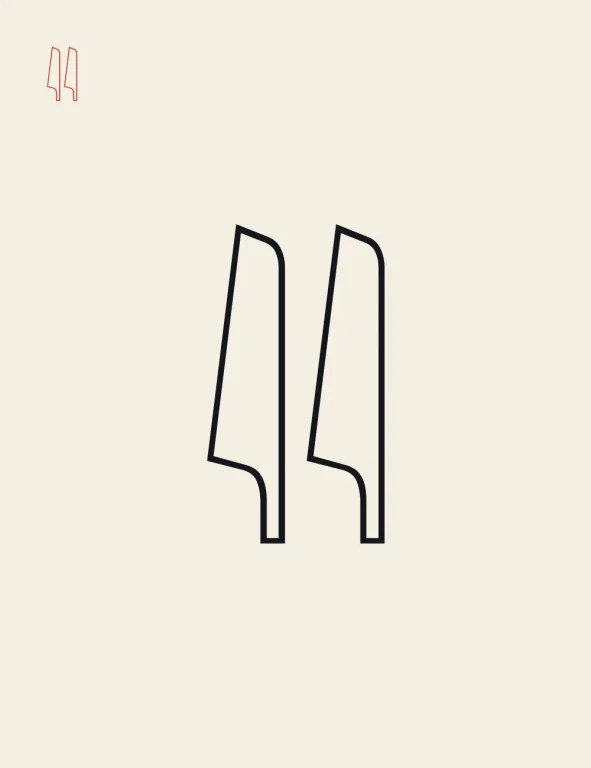
These are in the order Egyptologists use in their dictionaries, not the English alphabet's. Egyptian had sounds English doesn't: the vulture and the arm are throat sounds, written a and ah here; there are three different h signs, the shelter, the twisted wick (a stronger h) and the placenta (kh, as in Scottish loch), plus the belly, a softer kh. The reed is i, and two reeds are y.
How to teach hieroglyphs at home
Start with your child's name
Find a sign for each sound in your child's name: the owl for m, the reed for i, the bread loaf for t. Draw them in a column or a row and put an oval around them, a cartouche, the way Egyptian royal names were written. Then add the signs of other family names.
Ten minutes, most days
Short and often works better than long and rare. One round of the memory game, or one name in hieroglyphs, is plenty. Stop while it is still fun.
Three activities
- Memory match: lay out a few pairs face down and say each sign's sound and picture as it turns over.
- Cartouches: write names in an oval on paper or clay, and guess whose name each one is.
- Museum hunt: in a museum, a book or online pictures, look for the owl, the foot and the water sign in real inscriptions.
What these signs are, and what they aren't
Egyptians did not write with an alphabet. Besides these one-sound signs they used signs for two or three sounds, signs for whole words, and silent signs that hint at a word's meaning, like a little seated man after a man's name. Writing an English name only with one-sound signs is a modern game, a good way to learn the shapes, not how a scribe would have spelled it.
Which way to read
Hieroglyphs can run left to right, right to left, or top to bottom. The people and animals face the start of the line, so read toward their faces. Egyptians also wrote no vowels, so Egyptologists add an e between sounds to say words aloud: nfr (good) becomes nefer.
What age to start
Hieroglyphs work best once your child knows most of the English alphabet and can hear the sounds in a word, often from about six or seven. Younger children enjoy drawing the animals and finding the signs of their name.
Questions parents ask
Is this the hieroglyphic alphabet?
It is the closest thing to one: these 25 signs each stand for one sound, so they are often shown as an alphabet. But the Egyptians used hundreds of other signs as well, for groups of sounds, whole words and meanings, and never wrote with these alone.
How many hieroglyphs are there?
Hundreds were in everyday use, and by the end of ancient Egyptian history there were thousands. The 25 one-sound signs are the best place to start.
How do we know what hieroglyphs say?
The Rosetta Stone carries the same text in hieroglyphs, in a later Egyptian script and in ancient Greek. Using it and other texts, the French scholar Jean-François Champollion worked out how hieroglyphs work in the nineteenth century.
Did the Egyptians write vowels?
No, only consonants, like some other scripts of the region. That is why the sounds here are mostly consonants, and why an English name written in hieroglyphs leaves some vowels out, or uses the reed or the vulture for them.
 Memobara
Get your kids started with hieroglyphs
- All 25 one-sound signs, each said aloud
- Memory games with sound, to play together
- No ads, made for families
- Free to play in your browser
 Ancient Egypt
 Elder Futhark runes
 Greek alphabet
 Ancient World