Filipino Alphabet for Kids: Alpabeto, Sounds and Learning Games
The Filipino alphabet, ang alpabetong Filipino, has 28 letters: the English alphabet plus Ñ and NG. Most letter names sound like English ones, but the sounds in words are Filipino. Tap any letter to hear its name said aloud in Filipino, then play a round of the memory game together.
Find the pairs
Turn two cards at a time and listen. Match all 3 pairs.
Ang alpabeto: 28 letters, capital and small
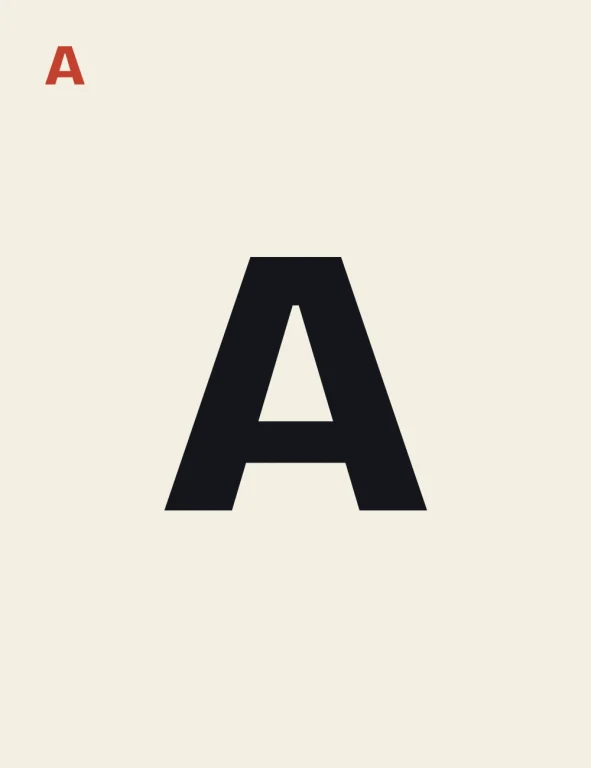
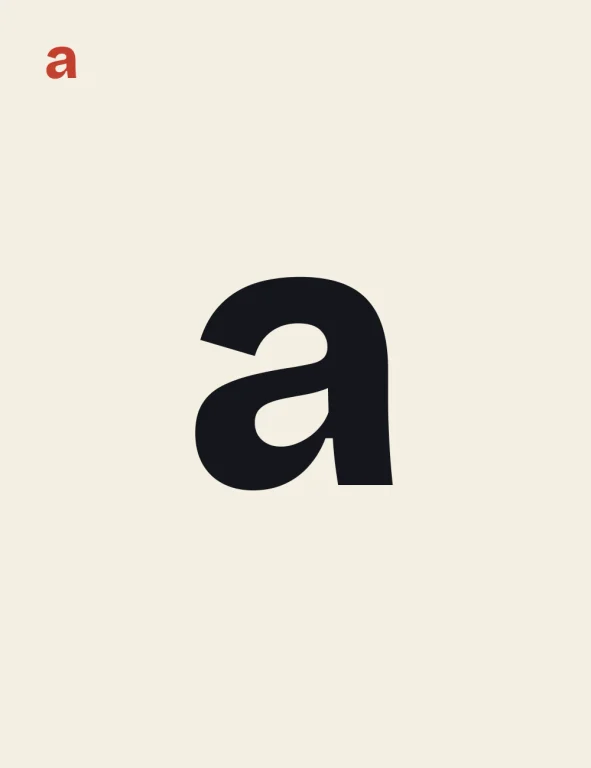
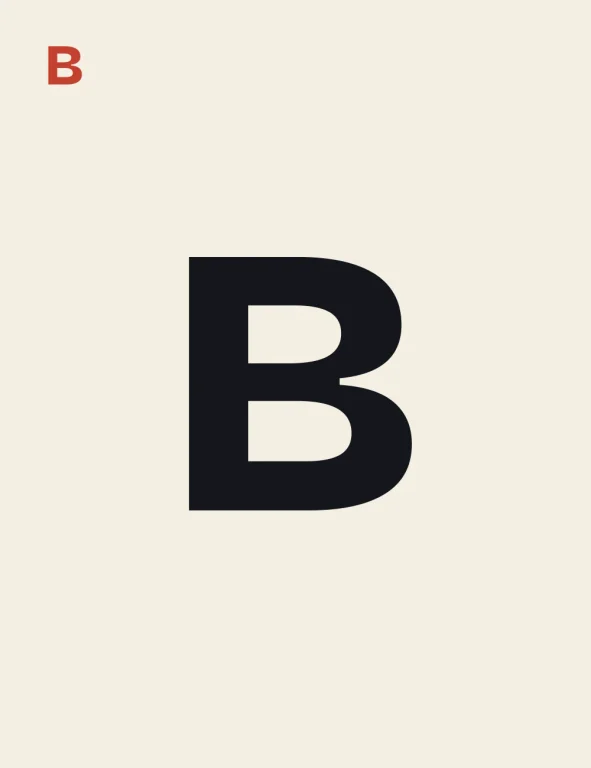
Each capital sits next to its small letter, and under each letter is its Filipino name. Ñ (enye) comes after N, and NG (endyi) is one letter, as in ngipin (tooth). The letters C, F, J, Ñ, Q, V, X and Z appear mostly in names, borrowed words and other languages of the Philippines.
How to teach the Filipino alphabet at home
Start with the vowels
Begin with a, e, i, o, u. Then add b, m and p, and read syllables together the abakada way: ba, be, bi, bo, bu. Filipino is spelled much the way it sounds, so syllables soon become words like ma-ma, ba-ka (cow) and bu-ko (young coconut). There is no prize for speed.
Ten minutes, most days
Short and often works better than long and rare. One round of the memory game, or a few letters before bed, is plenty for a young child. Stop while it is still fun.
Three activities
- Memory match: lay out a few pairs face down and say each letter out loud as it turns over.
- Abakada chant: a, ba, ka, da, e, ga, ha, with a clap for each one.
- First letters: find a toy or picture that starts with the letter of the day, like a for aso (dog) or i for isda (fish).
Letters that trip children up
b and d, p and q are easy to mirror at this age; that is normal. NG is one letter, not N and G, so ngipin starts with NG. A letter's name and its sound in a word differ: K is called key, but it says k in kamay (hand).
If you don't read Filipino yourself
You don't need to; plenty of parents speak Filipino at home without reading it. Tap the letter, listen to the voice, and say it together. Learning alongside your child is fine, and children often enjoy being the one who knows.
What age to start
Before about age four, aim for exposure, not mastery: hearing the sounds and seeing the shapes in play. Children in the Philippines start kindergarten at five, where letters and sounds come in through songs and play; follow your child's interest.
Questions parents ask
How many letters are in the Filipino alphabet?
28: A to Z, with Ñ after N and NG after Ñ. The older abakada had twenty letters; the larger alphabet adds letters for names, borrowed words and other Philippine languages.
What is the abakada?
The older Tagalog alphabet: a, ba, ka, da, e, ga, ha, i, la, ma, na, nga, o, pa, ra, sa, ta, u, wa, ya. Each consonant is said with a, which is why many families still teach reading with abakada syllables like ba, be, bi, bo, bu.
Should my child learn letter names or sounds first?
For reading, sounds and syllables help most: ba, be, bi, bo, bu. The names on this chart (ey, bi, si) are for reciting and spelling, and children pick them up from the alphabet song.
Will learning Filipino confuse my child's English reading?
Reading in a home language generally supports, rather than confuses, learning to read in a second one, according to research summarised by the American Federation of Teachers. The letter names are close, but the sounds differ, so name the language as you play: this is how we say it in Filipino.
 Memobara
Get your kids started with the Filipino alphabet
- All 28 letters, each said aloud in Filipino
- Memory games with sound, to play together
- No ads, made for families
- Free to play in your browser
 English alphabet
 Spanish alphabet
 Indonesian alphabet
 Malay alphabet