Chinese Characters for Kids: Radicals, Strokes and Learning Games
Chinese characters are built from parts. A radical (部首, bùshǒu) often hints at the meaning: 氵 means water, so 河 (river), 海 (sea) and 洗 (wash) all have it. Every character is written with a handful of strokes (笔画, bǐhuà). Tap any radical or stroke to hear its Chinese name said aloud in Mandarin, then play a round of the memory game together.
Find the pairs
Turn two cards at a time and listen. Match all 3 pairs.
40 common radicals (偏旁部首)
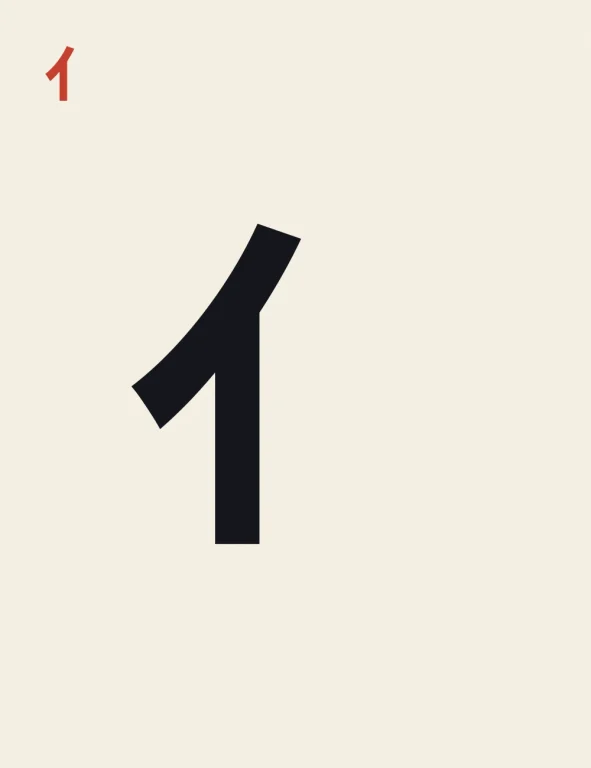
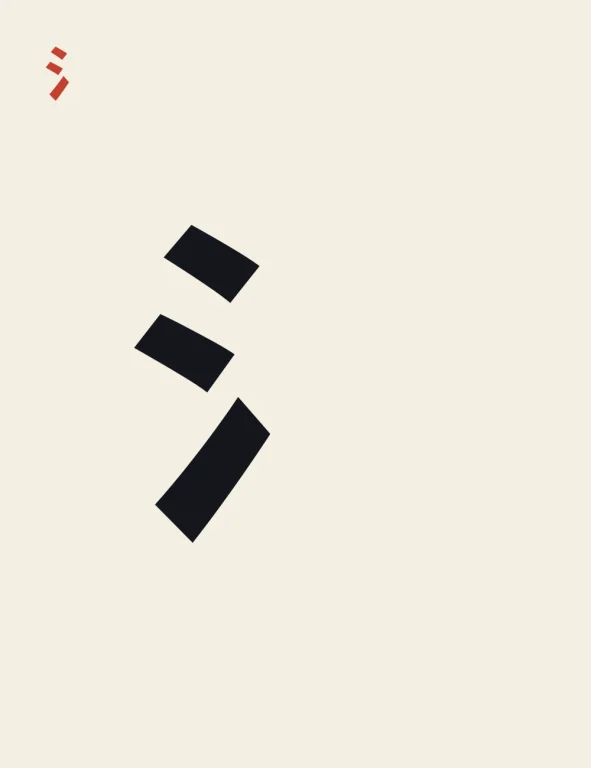
Under each radical is its meaning; the voice says the name Chinese children use, like 三点水 (sān diǎn shuǐ, three drops of water) for 氵 and 木字旁 (mù zì páng) for 木. Many are squeezed forms of a whole character: 亻 is 人 (person), 扌 is 手 (hand) and 忄 is 心 (heart). These are the simplified forms used in mainland China and Singapore.
The strokes (笔画)
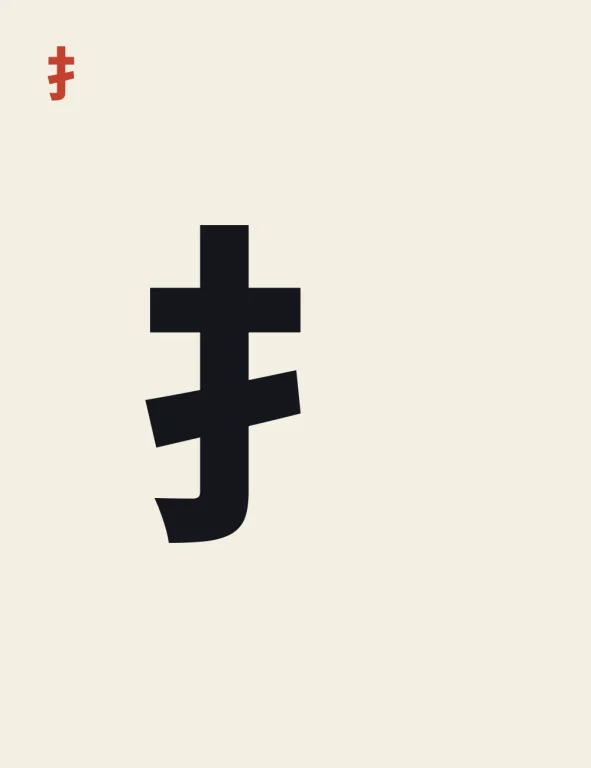
The first six are the basic strokes: 横 héng (across), 竖 shù (down), 撇 piě (sweep left), 点 diǎn (dot), 捺 nà (sweep right) and 提 tí (rise). The rest join them with turns (折 zhé), hooks (钩 gōu) and bends (弯 wān), and their names say so: 横折钩 is across, turn, hook. Charts group the strokes a little differently, so the count varies.
How to teach Chinese characters at home
Start with pictures
Begin with radicals that are also whole characters and still look like what they mean: 木 (tree), 口 (mouth), 日 (sun), 月 (moon), 火 (fire), 雨 (rain). Then show where they turn up: 木 in 林 (grove) and 森 (forest). A few a week is plenty; there is no prize for speed.
Ten minutes, most days
Short and often works better than long and rare. One round of the memory game, or a few radicals before bed, is plenty for a young child. Stop while it is still fun.
Three activities
- Memory match: lay out a few pairs face down and say each radical's name out loud as it turns over.
- Radical hunt: in a picture book or on a menu, find characters with 氵 or 口 and guess what they have to do with water or the mouth.
- Air writing: write a stroke in the air with a big arm, saying its name, 横, 竖, 撇, 捺, before trying it with a pencil.
Parts that look alike
Children often mix up 冫 (ice, two drops) and 氵 (water, three drops), 衤 (clothes) and 礻 (spirit), 亻 (one person) and 彳 (two people), and 日 and 目. Put the pair side by side and count the dots or lines. Stroke order has a few rules worth chanting: across before down (十), left sweep before right sweep (人), top to bottom, left to right, outside before inside, and close the box last (日).
If you don't read Chinese yourself
You don't need to; plenty of parents speak Mandarin at home without reading it. Tap the sign, listen to the voice, and say it together; the English under each one is there to help you. Learning alongside your child is fine, and children often enjoy being the one who knows.
What age to start
Before about age four, aim for exposure, not mastery: spotting a few characters and parts in play. Children in mainland China learn the strokes, stroke order and common radicals in first grade, at six, alongside pinyin; follow your child's interest.
Questions parents ask
How many Chinese radicals are there?
Dictionaries sort characters under about two hundred radicals. This chart has the 40 that young children meet most often, like 亻, 氵, 扌 and 口; together they appear in a great many everyday characters.
Should my child learn strokes or radicals first?
Strokes first for writing, since every character is built from them and stroke order is taught from the start. Radicals help most with reading: they make new characters easier to guess and remember.
Does a radical always tell you the meaning?
Often, but not always. 氵 in 河 (river) and 海 (sea) is about water, but over the centuries some characters have drifted from their radical's meaning. Treat it as a hint, not a rule.
Are these simplified or traditional?
Simplified, as used in mainland China and Singapore. Most radicals are the same in traditional Chinese, but some, like 讠 (言), 钅 (金), 饣 (食), 纟 (糸), 门 (門) and 车 (車), are written in fuller forms there.
Will learning Chinese characters confuse my child's English reading?
Reading in a home language generally supports, rather than confuses, learning to read in a second one, according to research summarised by the American Federation of Teachers. Characters look nothing like English letters, which helps keep the two apart.
 Memobara
Get your kids started with Chinese characters
- All 67 radicals and strokes, each said aloud in Mandarin
- Memory games with sound, to play together
- No ads, made for families
- Free to play in your browser
 Pinyin initials
 Zhuyin (Bopomofo)
 Chinese numerals
 First-grade kanji