Aleph Bet for Kids: Hebrew Alphabet Chart, Sounds and Games
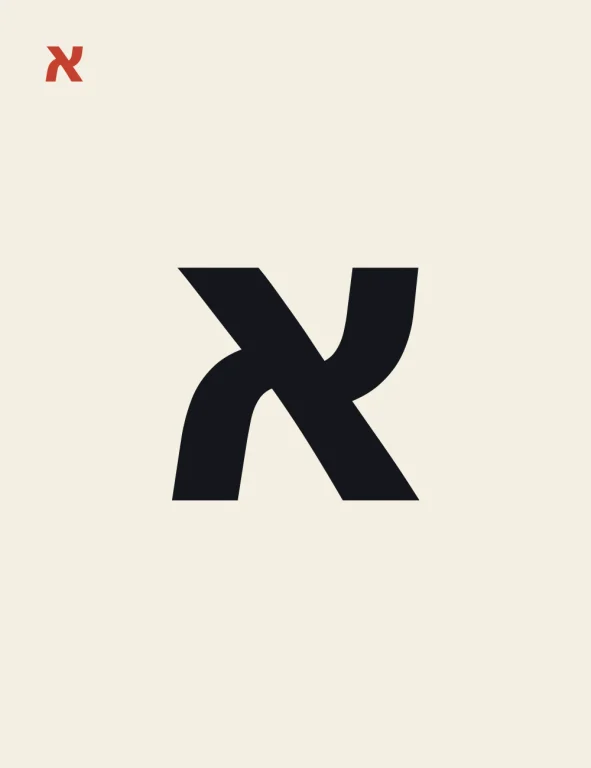
The aleph bet runs from א (alef) to ת (tav) and is read from right to left. Tap any letter below to hear its name said aloud in Hebrew, then play a round of the memory game together.
Find the pairs
Turn two cards at a time and listen. Match all 3 pairs.
The aleph bet: 27 letters and final forms
Read the chart from right to left, starting with א. Five letters have a second shape used only at the end of a word, shown right after them: kaf כ becomes ך, mem מ becomes ם, nun נ becomes ן, pe פ becomes ף and tsadi צ becomes ץ. Under each letter is its name; tap it to hear the name said aloud.
A dot changes the sound
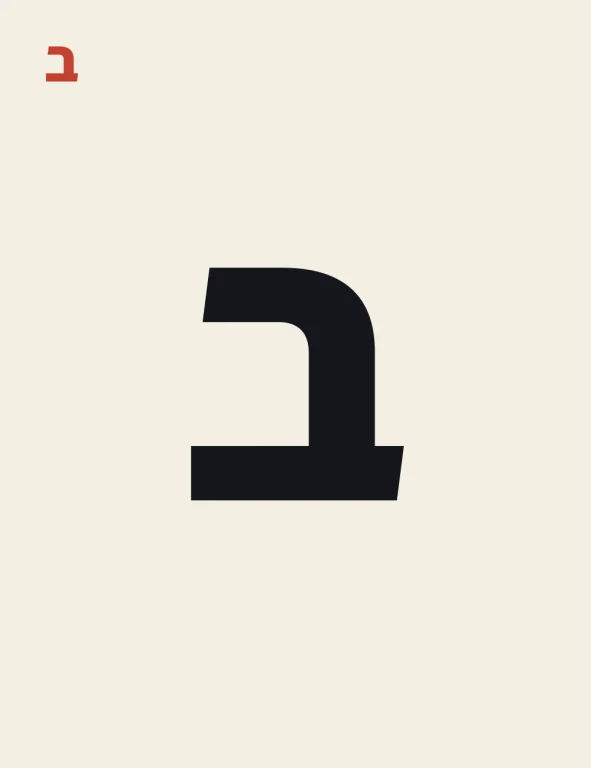
With a dot inside, בּ is b, כּ is k and פּ is p; without it, ב is v, כ is kh (like the ch in Bach) and פ is f. The dot on שׁ's right is sh, on שׂ's left is s.
The vowel points: 10 signs
Small dots and lines under, over or beside a letter show its vowel. Kamatz and patah say a, tsere and segol say e, hiriq says i, holam says o, kubutz and shuruk say u, and shva is silent or a very short e. The voice says each sign's name.
How to teach the aleph bet at home
Start with a word you already say
Begin with the letters of your child's Hebrew name, or of a word your family uses, like שַׁבָּת (Shabbat): שׁ (sh), בּ (b) and ת (t). Familiar words make the shapes mean something. Or simply start at the beginning, א ב ג ד ה, and add a few letters a week.
Ten minutes, most days
Short and often works better than long and rare. One round of the memory game, or a few letters before bed, is plenty for a young child. Stop while it is still fun.
Three activities
- Memory match: lay out a few pairs face down and say each letter's name out loud as it turns over.
- Letter hunt: look for letters you know on a challah cover, a siddur, a Hebrew book or a mezuzah case.
- Right to left: before reading, put a finger on the right-hand side of the line, and move it left together.
Letters that look alike
Children often mix up ב and כ (ב has a little foot at the bottom right), ד and ר (ד has a sharp corner), ה and ח (ה has a gap at the top left), vav ו, zayin ז and final nun ן, and ס and ם (ס is round, ם is square). Put each pair side by side and point at the one difference.
Letters that sound the same
In today's Hebrew, several letters share a sound: ט and ת are both t, כּ and ק are k, ס and שׂ are s, ב and ו are v, and כ and ח are both kh. א and ע usually make no sound of their own and carry a vowel. Children learn which one to write word by word, so don't worry about it early on.
If you don't read Hebrew yourself
You don't need to. Tap the letter, listen, and repeat it together; the names under each letter are there to help you. The voice uses modern Israeli pronunciation. If your synagogue or Hebrew school uses Ashkenazi pronunciation (Shabbos for Shabbat), both are right: follow your child's teachers. Learning alongside your child is fine, and children often enjoy being the one who knows.
What age to start
Before about age four, aim for exposure, not mastery: hearing the letter names and seeing the shapes in play. Many families start the aleph bet around kindergarten age, at home or in Hebrew school; follow your child's interest.
Questions parents ask
How many letters are in the Hebrew alphabet?
The aleph bet has twenty-two letters, and five of them have a final form used at the end of a word, which makes the 27 shapes on the chart. The letters are consonants (ו and י also stand for some vowels); the other vowels are shown with the small vowel points.
Do children need the vowel points?
Yes, at the start. Books for young children and prayer books print them, and they let a beginner sound out every word. Most other Hebrew, like newspapers and signs, leaves them out, and readers stop needing them as they come to know the words.
Will reading right to left confuse my child's English reading?
Mixing up directions now and then is normal for any young reader and passes with practice. Keeping Hebrew and English in their own books helps, and so does pointing at where each line starts. Where Hebrew is a home language, reading in it generally supports learning to read English, according to research summarised by the American Federation of Teachers.
Why are some letter names spelled differently elsewhere?
Hebrew names are written in English in more than one way. You may see aleph for alef, hey for he, chet for het, tzadi or tzadik for tsadi, kuf for qof, and samech for samekh: they are the same letters.
Our Hebrew school says some sounds differently. Which is right?
Both. The voice here uses modern Israeli Hebrew, which many Hebrew schools teach. Some communities use Ashkenazi pronunciation, where ת without a dot sounds s (Shabbos) and kamatz often sounds o. Follow your child's teachers so home and school match.
 Memobara
Get your kids started with the aleph bet
- All 45 letters and vowel signs, each said aloud in Hebrew
- Memory games with sound, to play together
- No ads, made for families
- Free to play in your browser
 English alphabet
 Greek alphabet
 Arabic alphabet