Inuktitut Syllabics for Kids: Chart, Sounds and Learning Games
Inuktitut is written with syllabics (ᖃᓂᐅᔮᖅᐸᐃᑦ, qaniujaaqpait): 45 syllables in rows of three, plus small final signs. In Nunavut and Nunavik, children learn this chart at school. The sound is under each sign; look at the shapes together, then play a round of the memory game.
Find the pairs
Turn two cards at a time. Match all 3 pairs.
The chart: 45 syllables
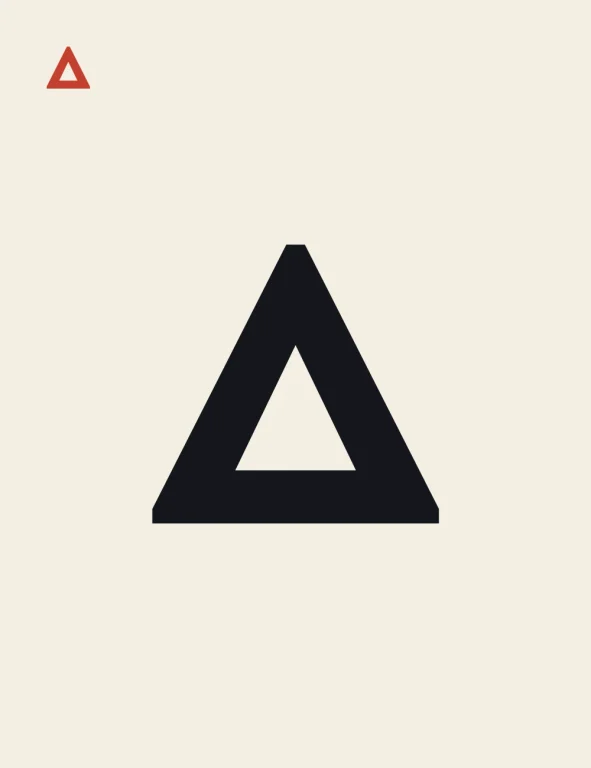
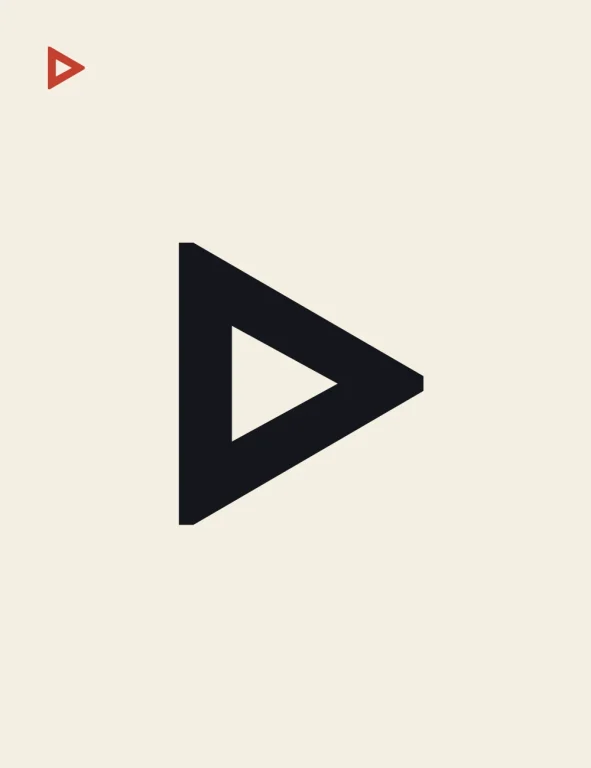
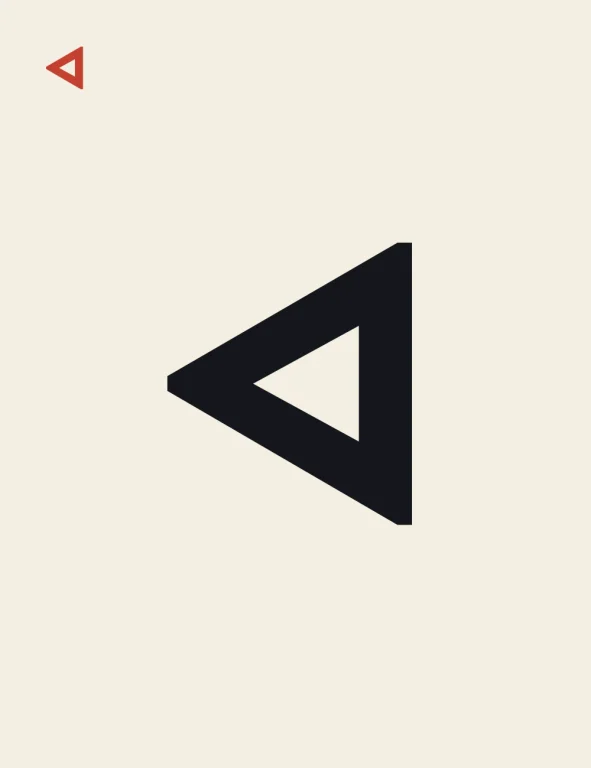
Each row is one consonant with the three vowels, i, u and a, and the shape turns to change the vowel: ᐃ i points up, ᐅ u points right and ᐊ a points left; ᐱ pi, ᐳ pu and ᐸ pa turn the same way. The first row is the vowels alone. j is said like the y in yes, ł is a breathy l, said with air past the sides of the tongue, and q is a k said further back in the throat.
| ᐃi | ᐅu | ᐊa |
| ᐱpi | ᐳpu | ᐸpa |
| ᑎti | ᑐtu | ᑕta |
| ᑭki | ᑯku | ᑲka |
| ᒋgi | ᒍgu | ᒐga |
| ᒥmi | ᒧmu | ᒪma |
| ᓂni | ᓄnu | ᓇna |
| ᓯsi | ᓱsu | ᓴsa |
| ᓕli | ᓗlu | ᓚla |
| ᔨji | ᔪju | ᔭja |
| ᕕvi | ᕗvu | ᕙva |
| ᕆri | ᕈru | ᕋra |
| ᕿqi | ᖁqu | ᖃqa |
| ᖏngi | ᖑngu | ᖓnga |
| ᖠłi | ᖢłu | ᖤła |
Finals: 14 consonants on their own
A final is a small raised sign for a consonant with no vowel after it, as at the end of ᐃᓄᒃ (inuk, a person). Each one is the a form of its row, made small: ᒃ k is a little ᑲ ka.
| ᑉp | ᑦt | ᒃk | ᒡg | ᒻm | ᓐn | ᔅs |
| ᓪl | ᔾj | ᕝv | ᕐr | ᖅq | ᖕng | ᖦł |
How to teach Inuktitut syllabics at home
Start with ᐃ ᐅ ᐊ
Begin with the vowels ᐃ ᐅ ᐊ (i, u, a) and how the shape turns for each. Then add one row at a time, ᐱ ᐳ ᐸ, then ᑎ ᑐ ᑕ: once the turning makes sense, each new row is one new shape, not three. There is no prize for speed.
Ten minutes, most days
Short and often works better than long and rare. One round of the memory game, or one row before bed, is plenty for a young child. Stop while it is still fun.
Three activities
- Memory match: lay out a few pairs face down and say each syllable as it turns over.
- Turn the shape: hold up a paper triangle and turn it, saying i, u, a as it points up, right and left.
- Name signs: write your child's name or a family word, like ᐊᓈᓇ (anaana, mother), one sign per syllable.
Shapes that turn
Because the vowel is shown by turning the shape, the same sign pointing another way is a different syllable: ᑎ ti, ᑐ tu and ᑕ ta. Children often confuse the directions at first, just as they mix up b and d; practise one row at a time. A dot above a sign makes its vowel long: ᐋ is aa, as in ᐊᓈᓇ (anaana).
If you don't read Inuktitut yourself
You don't need to; many families are relearning the language together. The sound under each sign is there to help you, not your child. Learning alongside your child is fine, and children often enjoy being the one who knows.
What age to start
Syllabics suit children who can already clap a word into its syllables, often from about five, and Inuktitut schools start the chart in the early grades. Younger children can enjoy the shapes in play: aim for exposure, not mastery.
Questions parents ask
How many signs are in Inuktitut syllabics?
This chart has 45 syllables, rows of i, u and a, and 14 finals. Some charts add more, like an ai column, still used in Nunavik, and signs for other dialects' sounds.
Where are syllabics used?
In Nunavut, apart from its westernmost communities, and in Nunavik in northern Quebec, on signs, in schools and in books. Other Inuit regions, and Inuktitut in Latin letters, use a Roman spelling instead: the sounds under each sign on this page follow it.
Where do syllabics come from?
Syllabics were first made for Cree by the missionary James Evans in the nineteenth century, and adapted for Inuktitut later that century. Inuit have shaped and standardised them since, and they are now the everyday script of most Inuktitut writing in the eastern Arctic.
Will learning syllabics confuse my child's English or French reading?
Reading in a home or heritage language generally supports, rather than confuses, learning to read in a second one, according to research summarised by the American Federation of Teachers. Syllabics also look nothing like Latin letters, which helps keep them apart.
 Memobara
Get your kids started with Inuktitut syllabics
- All 59 syllables and finals, each with its sound
- Memory games to play together
- No ads, made for families
- Free to play in your browser
 Cherokee syllabary, a to qu
 English alphabet
 French alphabet