Irish Alphabet for Kids: Letters and Learning Games
The Irish alphabet, an aibítir, has eighteen letters, with a fada, the long accent, to make each vowel long: á, é, í, ó, ú. Under each letter below is its Irish name. Then play a round of the memory game together.
Find the pairs
Turn two cards at a time. Match all 3 pairs.
An aibítir: the letters, capital and small
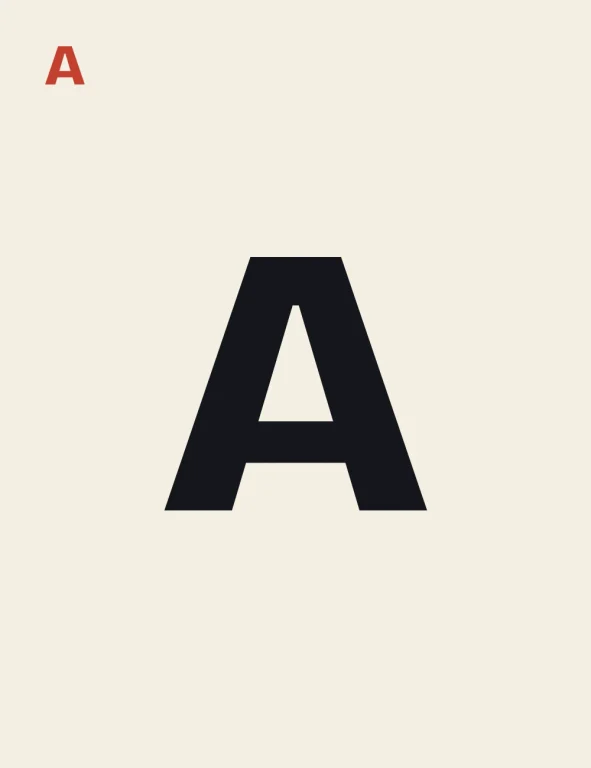
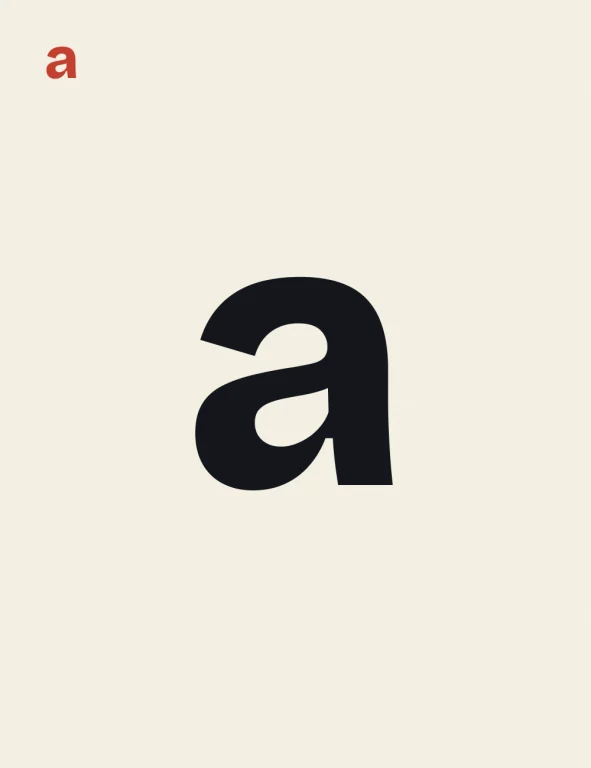
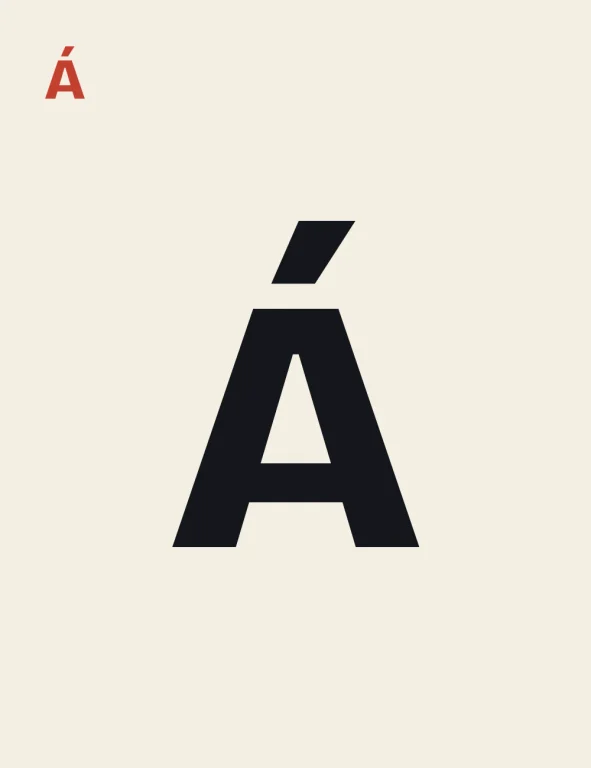
Each capital sits next to its small letter, with its Irish name underneath, and each vowel is followed by its long partner with a fada. The vowels' names are said long, so a is called á, and á is called á fada. Many people spell aloud with the English names; these are the Irish ones. J, K, Q, V, W, X, Y and Z are not part of the traditional alphabet; they appear in names and newer words from other languages.
| Aá | aá | Áá fada | áá fada | Bbé | bbé |
| Ccé | ccé | Ddé | ddé | Eé | eé |
| Éé fada | éé fada | Feif | feif | Ggé | ggé |
| Hhéis | hhéis | Ií | ií | Íí fada | íí fada |
| Leil | leil | Meim | meim | Nein | nein |
| Oó | oó | Óó fada | óó fada | Ppé | ppé |
| Rear | rear | Seas | seas | Tté | tté |
| Uú | uú | Úú fada | úú fada |
How to teach the Irish alphabet at home
Start with the vowels
Begin with a, e, i, o, u and their long partners with a fada, then the letters in your child's name. Simple words help: bó (cow), cat (cat), mála (bag) and úll (apple). Add a few letters a week; there is no prize for speed.
Ten minutes, most days
Short and often works better than long and rare. One round of the memory game, or a few letters before bed, is plenty for a young child. Reading a picture book together counts too. Stop while it is still fun.
Three activities
- Memory match: lay out a few pairs face down and say each letter's Irish name as it turns over.
- Fada hunt: look for á, é, í, ó and ú on road signs, shop signs and book covers.
- First letters: find a toy or picture that starts with the letter of the day, like b for bó (cow), m for madra (dog) or é for éan (bird).
The fada and the h
The fada changes the word, not just the sound: sean is old, Seán is a name. An h after a consonant changes its sound: b says b, bh says v or w, mh says v or w like bh, ch is the sound in loch, and th and sh both say h. Children meet these changes, séimhiú (the added h) and urú (a letter added in front, as in ar an mbord, on the table), as they start to read, so there is no need to explain them early. Small b and d are mirror images, and mixing them up at this age is common and nothing to worry about.
If you don't speak Irish yourself
You don't need to. The letters are ones you already read, and the Irish name is under each one. If your child is in a Gaelscoil or learning Irish at school, ask them to teach you; children often enjoy being the one who knows.
What age to start
Before about age four, aim for exposure, not mastery: seeing the shapes and hearing the names in play. In the Republic of Ireland, children learn Irish from their first year of primary school, and in a Gaelscoil they learn to read in Irish first. Follow your child's interest.
Questions parents ask
How many letters are in the Irish alphabet?
Eighteen: a, b, c, d, e, f, g, h, i, l, m, n, o, p, r, s, t and u. The long vowels á, é, í, ó and ú are written with a fada, and this chart shows them as well, since children need to learn them side by side.
What is a fada?
The síneadh fada, or fada for short, is the accent over a vowel. It makes the vowel long and can change a word completely, so it is never optional in Irish spelling.
Does this page have sound?
No: there is no Irish voice here, so the chart shows each letter's Irish name in writing instead. The memory game works the same without sound.
Will learning the Irish alphabet confuse my child's English reading?
Learning to read in a second language generally supports, rather than confuses, reading in the first, according to research summarised by the American Federation of Teachers. The letters are shared, so mostly it is the sounds that differ, and children in Irish-medium schools learn to read in both.
 Memobara
Get your kids started with the Irish alphabet
- Every letter, capital and small, with its Irish name
- Memory games to play together
- No ads, made for families
- Free to play in your browser
 Scottish Gaelic alphabet
 Welsh alphabet
 Breton alphabet
 English alphabet