Katakana for Kids: Chart, Sounds and Learning Games
Katakana is the second Japanese script children learn: 46 signs with the same sounds as hiragana, used for words like パン (pan, bread) and テレビ (terebi, TV). Tap any sign below to hear it said aloud in Japanese, then play a round of the memory game together.
Find the pairs
Turn two cards at a time and listen. Match all 3 pairs.
The 46 katakana
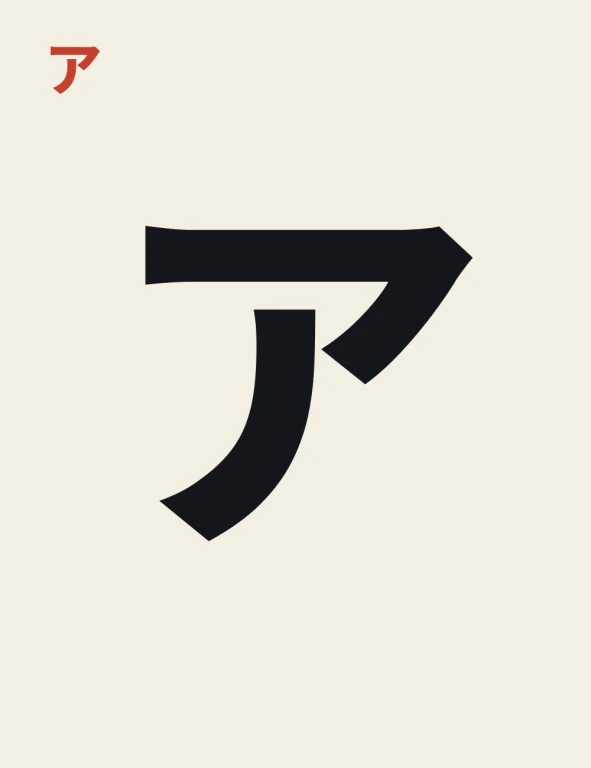
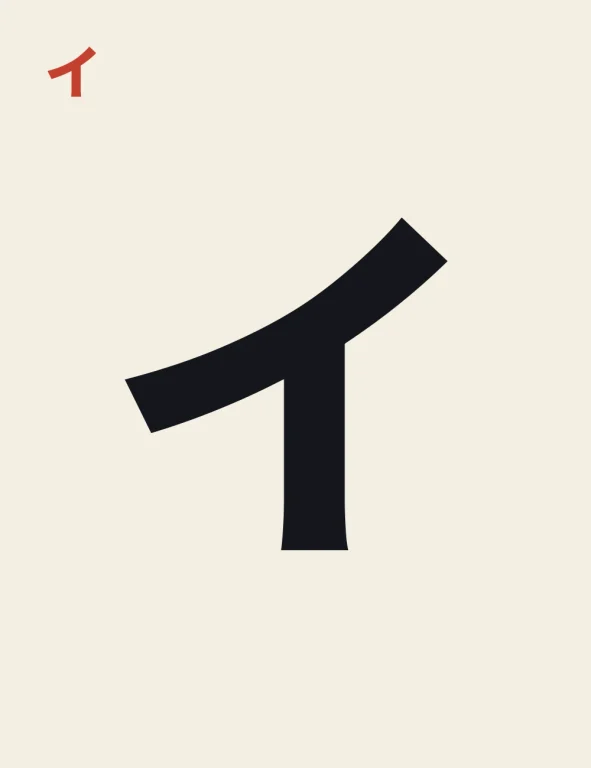
The chart is in the same order as hiragana: read each row left to right, a, i, u, e, o, then ka, ki, ku, ke, ko. Every katakana has a hiragana twin with the same sound, like ア and あ.
Two dots and a circle: 25 more sounds
Two small marks (゛) make a sign's sound voiced: カ ka becomes ガ ga. A small circle (゜) turns the h row into p: ハ ha becomes パ pa, as in パン (pan, bread). ヂ and ヅ sound like ジ and ズ and are rarely used.
Small ャ ュ ョ: 33 blended sounds
A small ャ, ュ or ョ after a sign blends the two into one beat: キ ki + ャ ya is キャ kya, and ジュ ju is the start of ジュース (jūsu, juice).
How to teach katakana at home
Start with words your child loves
Katakana is easiest when it is attached to something your child wants to read: パン (pan, bread), バナナ (banana), アイス (aisu, ice cream), or their own name if it is written in katakana. If your child already knows hiragana, also start with the signs that look like their twins, such as カ か, ヘ へ, リ り and モ も. Then go row by row, as slowly as your child likes.
Ten minutes, most days
Short and often works better than long and rare. One round of the memory game, or a few signs before bed, is plenty for a young child. Stop while it is still fun.
Three activities
- Memory match: lay out a few pairs face down and say each sign out loud as it turns over.
- Snack hunt: katakana is everywhere on food packets and menus. Look for the ア in アイス or the パ in パン.
- Twin pairs: put a hiragana and its katakana side by side, like あ and ア, and say the one sound they share.
Signs that look alike
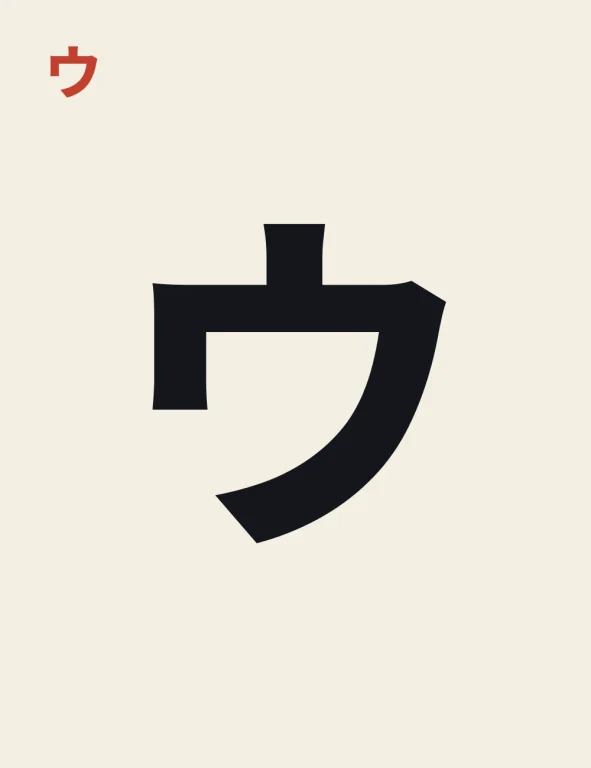
The classic mix-ups are シ (shi) and ツ (tsu), and ソ (so) and ン (n). In シ and ン the long stroke sweeps up from the bottom; in ツ and ソ it falls from the top. Also watch ク (ku) and タ (ta), ナ (na) and メ (me), コ (ko) and ユ (yu), and ウ (u) and ワ (wa). Write them big, side by side, and trace the one difference with a finger.
The long line ー
In katakana a long sound is written with a dash, ー, as in ケーキ (kēki, cake). It has no sound of its own: it makes the vowel before it last longer.
If you don't read Japanese yourself
You don't need to. Tap the sign, listen, and repeat it together; the romaji under each sign is only there to help you, not your child. Learning alongside your child is fine, and children often enjoy being the one who knows.
What age to start
Before about age four, aim for exposure, not mastery: hearing the sounds and seeing the shapes in play. Japanese children usually learn katakana in their first year of school, after hiragana; follow your child's interest, and let a favourite word lead the way.
Questions parents ask
How many katakana are there?
46 basic signs. With the two-dot and circle marks there are 25 more sounds, and the small ャ ュ ョ blends add 33, all built from the same 46 shapes.
Should my child learn hiragana or katakana first?
Hiragana, usually. Japanese children learn it first, picture books are written mostly in it, and katakana comes quickly once the sounds are familiar, because the two scripts share them. If your child is keen on a katakana word, like the name of a favourite snack, there is no harm in learning those signs early.
What is katakana used for?
Mostly for words that came into Japanese from other languages, like テレビ (terebi, TV) and ジュース (jūsu, juice), and for foreign names and places. It is also used for some sound words and for emphasis, a little like capital letters or italics in English.
Will learning katakana and hiragana together confuse my child?
A little mixing is normal and passes. A few pairs look almost the same in both scripts, like へ and ヘ or り and リ, and that helps rather than hurts. The real look-alikes are inside katakana, like シ and ツ, so give those extra time.
Why are there extra combinations like ティ and ファ?
To write sounds from other languages that Japanese doesn't have, such as ti and fa. They are built from signs your child already knows plus a small vowel, and they can wait until the basic chart feels easy.
 Memobara
Get your kids started with katakana
- All 104 sounds, each said aloud in Japanese
- Memory games with sound, to play together
- No ads, made for families
- Free to play in your browser
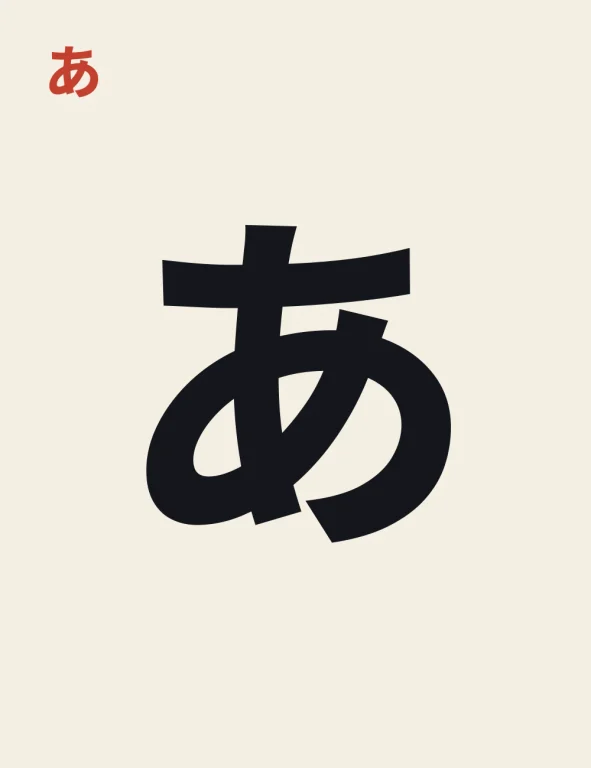 Hiragana
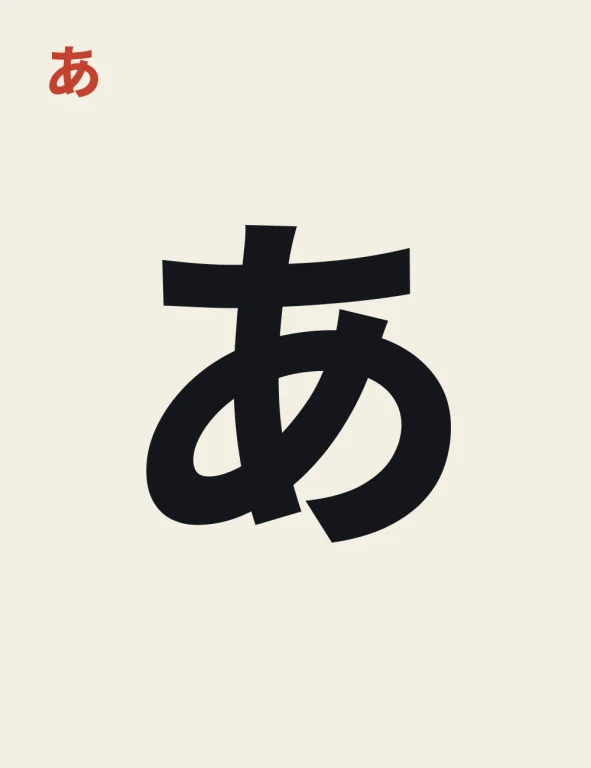 Kana pairs
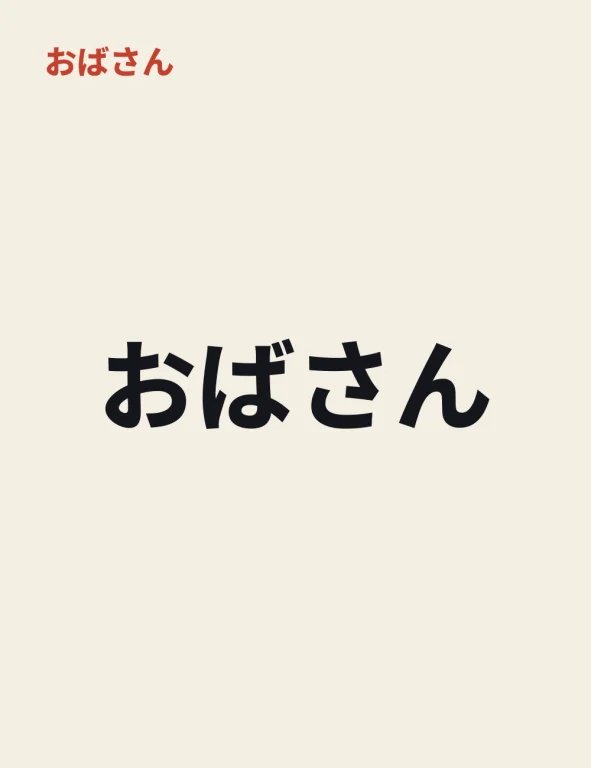 Japanese long vowels
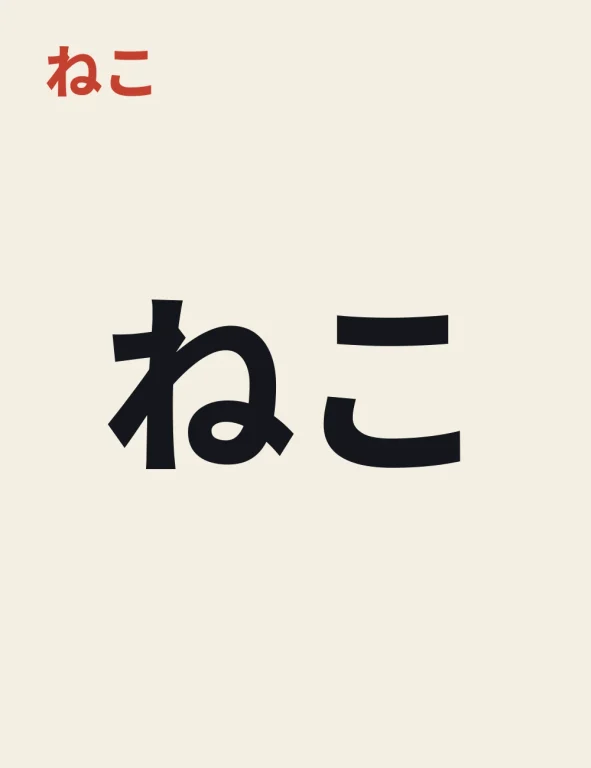 Small tsu