Persian Alphabet for Kids: Farsi Letters and Learning Games
Persian, or Farsi, is written from right to left with 32 letters, from alef (ا) to ye (ی). The letter names are written under each one; look at the shapes together, then play a round of the memory game.
Find the pairs
Turn two cards at a time and listen. Match all 3 pairs.
The 32 letters
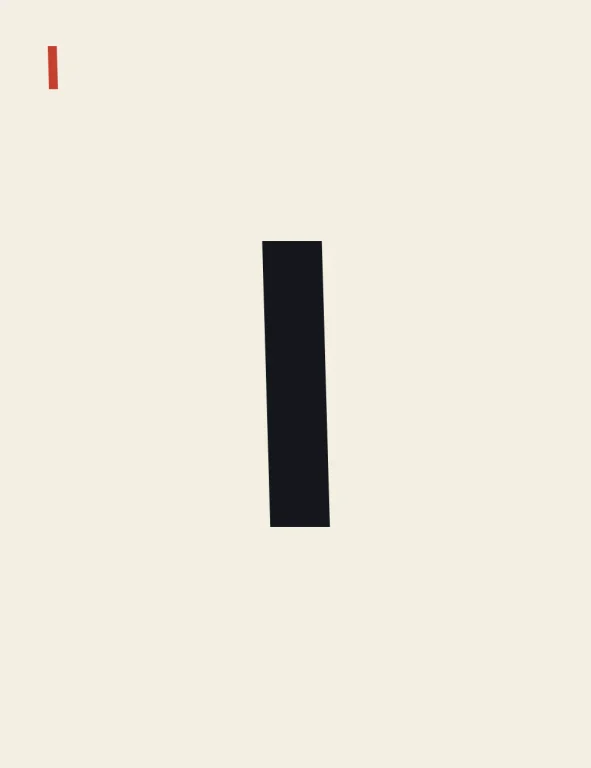
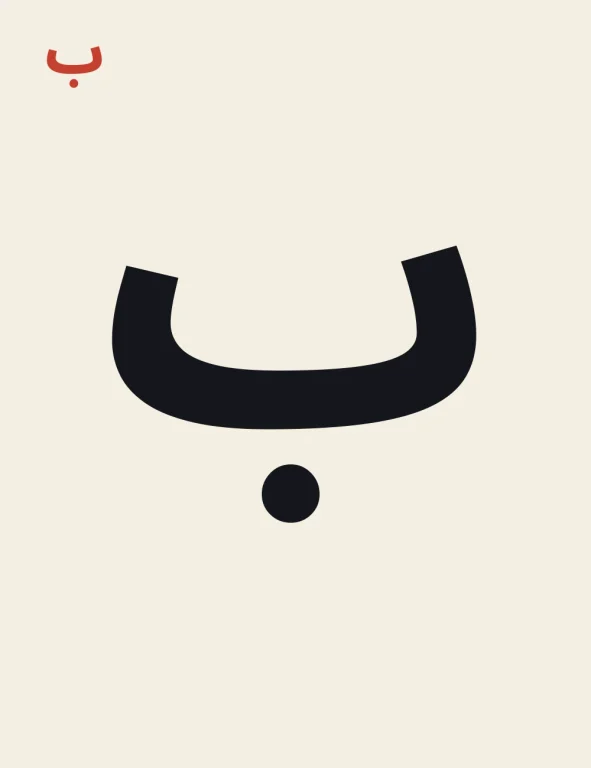
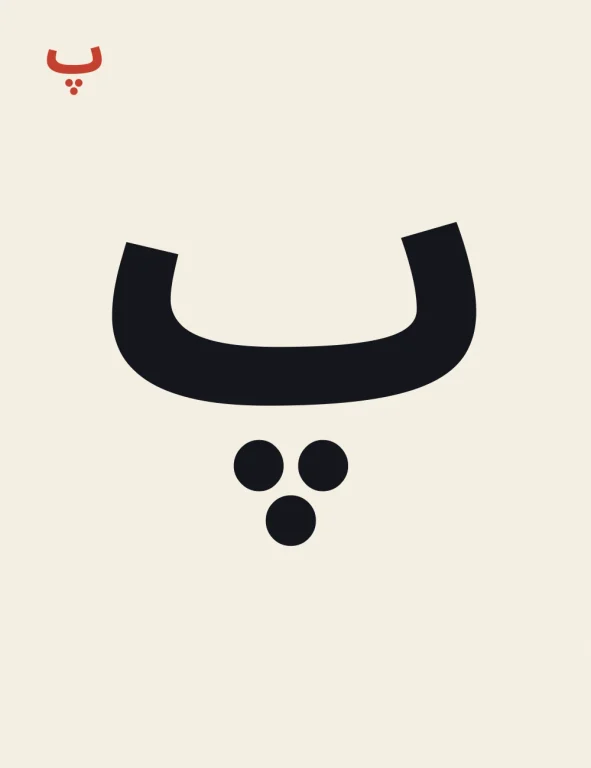
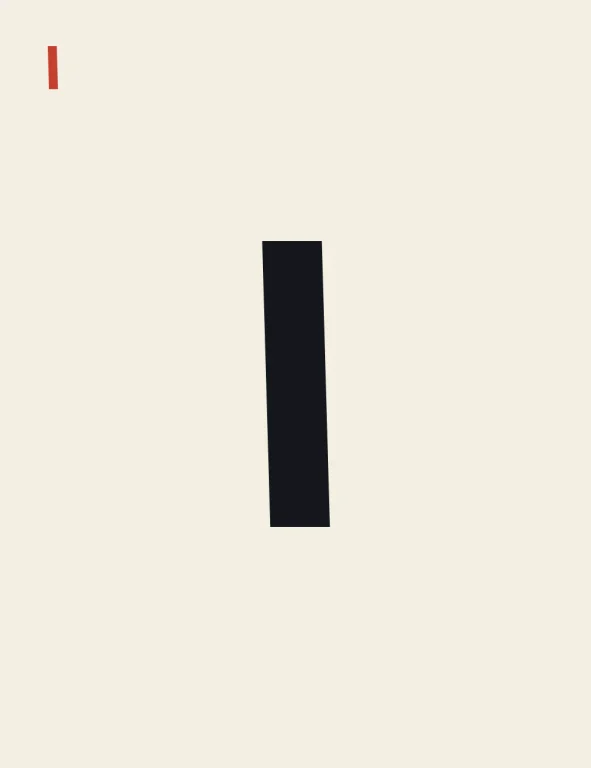
Read each row from right to left, in the order Persian-speaking children recite it: alef, be, pe, te, se. Four letters are Persian additions to the Arabic alphabet: پ pe, چ che, ژ zhe and گ gaf. For most letters the sound is the start of the name, so ب be is b and م mim is m.
Vowels and signs: 8 to know
Persian has six vowels. The long ones are written with letters: آ aa, او u and ای i. The short ones are small marks: a above the letter (zebar, also called fathe), e below it (zir, or kasre) and o above it (pish, or zamme): بَ ba, بِ be, بُ bo. Tashdid doubles a letter, and tanvin adds -an to some words borrowed from Arabic, as in حتماً (hatman, surely).
How to teach the Persian alphabet at home
Start with آ and ب
Begin with آ (aa) and ب (be): together they already write آب (aab, water) and بابا (baabaa, dad). Add د and م next, for words like بادام (baadaam, almond), and a few new letters a week after that; there is no prize for speed.
Ten minutes, most days
Short and often works better than long and rare. One round of the memory game, or two or three letters before bed, is plenty for a young child. Stop while it is still fun.
Three activities
- Memory match: lay out a few pairs face down and say each letter's name as it turns over.
- Dot count: put ب پ ت ث side by side and ask how many dots each has, and whether they sit above or below.
- First sounds: find something whose name starts with the letter of the day, like م for ماه (maah, moon) or گ for گربه (gorbe, cat).
Dots, shapes and letters that sound the same
Many letters share a body and differ only in their dots: ب پ ت ث, ج چ ح خ, د ذ, ر ز ژ, س ش, ص ض, ط ظ, ع غ, and ک گ, where گ has an extra stroke. Letters also change shape to join the next one: ب is بـ at the start of a word. Seven letters never join the letter after them: ا د ذ ر ز ژ و. And some sounds have more than one letter: z can be ز ذ ض or ظ, s can be س ص or ث, t can be ت or ط. That is a spelling question for later; at first, just enjoy the shapes.
If you don't read Persian yourself
You don't need to; plenty of families speak Persian at home without reading it. Say the letter names together, using the English letters under each sign as your guide; they are there to help you, not your child. Learning alongside your child is fine, and children often enjoy being the one who knows.
What age to start
Before about age four, aim for exposure, not mastery: hearing the letter names and seeing the shapes in play. In Iran, children learn to read in first grade, at six or seven, and many families abroad start the letters in a weekend Persian class; follow your child's interest.
Questions parents ask
How many letters are in the Persian alphabet?
32, from alef (ا) to ye (ی): the Arabic letters plus four of its own, پ چ ژ گ. Most letters change shape a little depending on where they sit in a word, and the short vowels are small marks above and below.
Is the Persian alphabet the same as the Arabic one?
Mostly. Persian uses the Arabic letters, adds پ (pe), چ (che), ژ (zhe) and گ (gaf), and says many letters differently: ث is s and ذ is z in Persian. Letter names differ too, like be for ب, where Arabic says ba.
Why are the short vowels missing in most Persian writing?
Readers know them from the word, so everyday writing leaves the marks out: کتاب is read ketaab (book) without them. Children's first books print the marks to help them, and drop them as reading grows.
Is this the same alphabet used for Dari?
Yes. Dari, the Persian of Afghanistan, uses the same 32 letters, though some names and sounds differ a little. Tajik, the Persian of Tajikistan, is written in Cyrillic letters instead.
Will learning Persian letters confuse my child's English reading?
Reading in a home language generally supports, rather than confuses, learning to read in a second one, according to research summarised by the American Federation of Teachers. Persian and English letters also look nothing alike, which helps keep them apart.
 Memobara
Get your kids started with the Persian alphabet
- All 40 letters and signs, each with its name
- Memory games to play together
- No ads, made for families
- Free to play in your browser
 Persian letter forms
 Persian numerals
 Arabic alphabet
 Urdu alphabet