Vietnamese Alphabet for Kids: Letters, Tones and Learning Games
The Vietnamese alphabet, bảng chữ cái, has 29 letters: the English alphabet without f, j, w and z, plus ă, â, đ, ê, ô, ơ and ư. Five tone marks then change how a word is said. Tap any letter to hear its Vietnamese name, then play a round of the memory game together.
Find the pairs
Turn two cards at a time and listen. Match all 3 pairs.
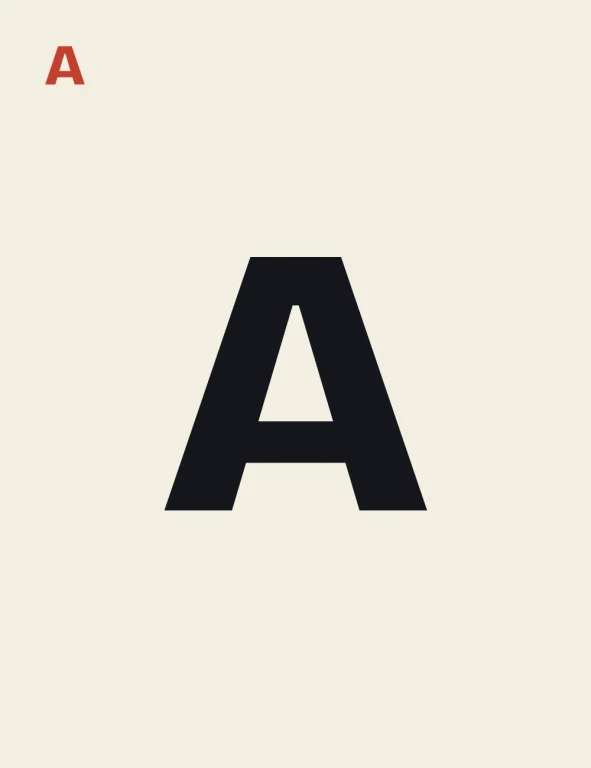
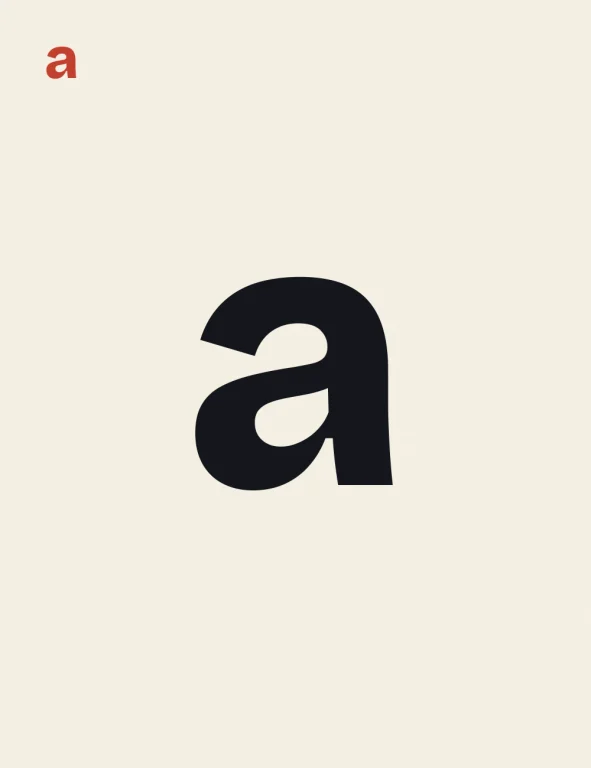
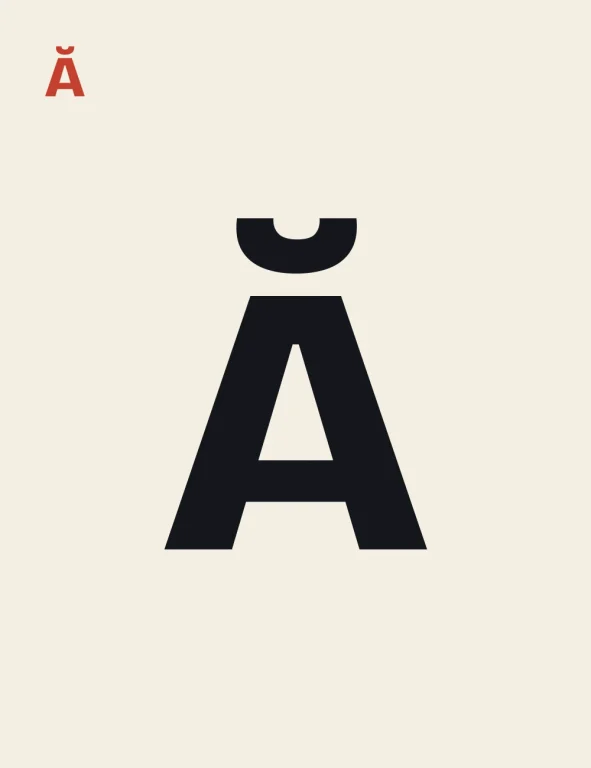
Bảng chữ cái: 29 letters, capital and small
Each capital sits next to its small letter, and under each letter is its Vietnamese name: a, á, ớ, bê, xê, dê, đê. The new letters come right after their base letter, so ă and â follow a, and đ follows d.
The 5 tone marks (dấu thanh)
Each mark comes first, then a wearing it: sắc á rises, huyền à falls low, hỏi ả dips, ngã ã rises with a break, and nặng ạ is short and low, with its dot under the letter. A word with no mark has the level tone, thanh ngang, which makes six tones in all. In much of the south, hỏi and ngã sound the same.
How to teach the Vietnamese alphabet at home
Start with a few letters
Begin with o, a, e and i, or with the letters in your child's name. Add a few letters a week; once your child knows some consonants and vowels, read short words together, like ba (dad) and mẹ (mom), and the tone marks will start to make sense. There is no prize for speed.
Ten minutes, most days
Short and often works better than long and rare. One round of the memory game, or a few letters before bed, is plenty for a young child. Stop while it is still fun.
Three activities
- Memory match: lay out a few pairs face down and say each letter out loud as it turns over.
- Tone game: say ma with each mark, ma, má, mà, mả, mã, mạ, and let your child point to the mark they hear.
- First letters: find a toy or picture that starts with the letter of the day, like c for cá (fish) or g for gà (chicken).
Letters that look alike
Children often mix up b and d, p and q, and the small marks on ă and â, ơ and ư. Put the pair side by side and point out the one difference: the cup on ă, the hat on â, the hook on ơ. d and đ are two letters with two sounds: đ is like English d, while d sounds like z in the north and like y in the south.
If you don't read Vietnamese yourself
You don't need to; plenty of parents speak Vietnamese at home without reading it. Tap the letter, listen to the voice, and say it together. Learning alongside your child is fine, and children often enjoy being the one who knows.
What age to start
Before about age four, aim for exposure, not mastery: hearing the sounds and seeing the shapes in play. Children in Vietnam learn to read in first grade, at six; follow your child's interest.
Questions parents ask
How many letters are in the Vietnamese alphabet?
29: a, ă, â, b, c, d, đ, e, ê, g, h, i, k, l, m, n, o, ô, ơ, p, q, r, s, t, u, ư, v, x and y. Pairs like ch, nh and ng write single sounds, but they are not separate letters of the alphabet.
Why do teachers say bờ and cờ instead of bê and xê?
To read, children learn each consonant by its sound, like bờ for b and cờ for c, and blend it with a vowel: bờ, a, ba. The names on this chart, like bê and xê, are what children say when they recite the alphabet. Both are right; they are used for different things.
Are the tone marks part of the alphabet?
No, they are added on top of a vowel, or under it for nặng, and any vowel can take one. They matter just as much as the letters, though: ma, má, mà, mả, mã and mạ are six different words.
Will learning Vietnamese confuse my child's English reading?
Reading in a home language generally supports, rather than confuses, learning to read in a second one, according to research summarised by the American Federation of Teachers. Many letters sound different in the two languages, so name the language as you play: this is how we say it in Vietnamese.
 Memobara
Get your kids started with the Vietnamese alphabet
- All 29 letters and the tone marks, each said aloud in Vietnamese
- Memory games with sound, to play together
- No ads, made for families
- Free to play in your browser
 English alphabet
 French alphabet
 Indonesian alphabet